

1C Hair: What It Is, Key Characteristics, and Expert Tips to Care for It Perfectly
Have you ever looked at your hair and thought it’s not exactly straight, but it’s not wavy either? You’re not imagining things. That in-between feeling is one of the most common experiences for people with 1C hair type. Your strands lie flat, look smooth from a distance, but up close? There’s a slight texture, a subtle resistance, and on humid days, a little frizz that wasn’t invited. Sound familiar?
Understanding your natural hair texture types isn’t just a fun exercise. It changes everything from the products you buy to the way you wash, dry, and style your hair. When you finally figure out what is 1C hair and how it behaves, caring for it stops feeling like guesswork. This guide covers everything you need: identification, care, styling, and more all written for real people who want real answers.
What Is Type 1C Hair?
What is 1C hair exactly? It’s the third and most textured subtype within the Type 1 straight hair category. The hair typing system most people use today was created by celebrity stylist Andre Walker, who classified hair into four main types 1, 2, 3, and 4 each with subtypes A, B, and C. Type 1 covers all straight hair. Within that group, 1C hair characteristics stand out clearly. The strands are thicker and coarser than 1A or 1B. They lie straight but carry a subtle heaviness that gives the hair natural body. Roots tend to be smooth and straight while the ends may show a very slight bend or texture not a wave exactly, but not pin-straight either.
What does 1C hair look like in real life? Think of someone with thick, shiny, straight hair that still manages to look a little resistant like it has opinions. It doesn’t curl easily. It doesn’t hold styles for long without some product support. It’s prone to frizzy straight hair on rainy or humid days, which confuses a lot of people who assumed straight hair was immune to frizz.
Hair density and texture play a huge role here. Type 1C strands are usually dense and coarse, which means there’s a lot of hair on the head and each strand has a wider diameter than finer hair types. This is coarse straight hair in its truest form strong, full, and beautifully stubborn.
Differentiating Between Type 1C and Other Hair Types
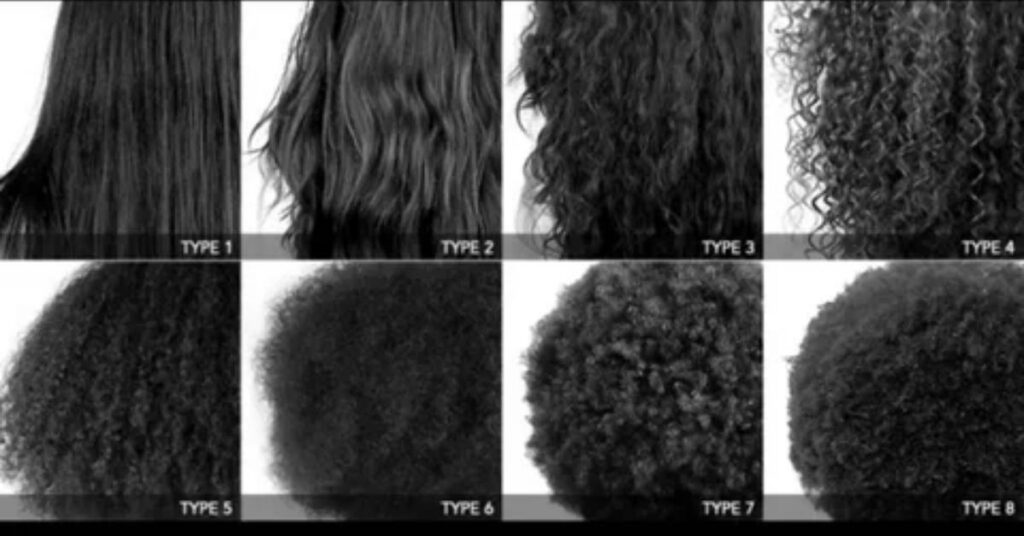
The hair type 1A vs 1B vs 1C debate trips up a lot of people. Here’s the simplest way to think about it. 1A hair is the finest and straightest of them all think silky, flat, and almost too smooth to hold a style. 1B hair steps it up slightly with a little more body and thickness, though it still looks perfectly straight most of the time. Then comes 1C hair noticeably thicker, sometimes described as having a barely-there wave that only shows up under certain conditions.
The difference between 1C and 2A hair is where things get really confusing. 2A hair forms a loose, undefined S-wave when it dries naturally. 1C hair dries mostly straight but may have a slight texture or bend at the ends not a true wave pattern, just a hint of one.
| Hair Type | Texture | Thickness | Frizz Level | Wave Pattern |
| 1A | Pin straight | Very fine | Very low | None |
| 1B | Straight with body | Medium | Low | None |
| 1C | Straight, slight bend | Coarse/Thick | Medium | Barely there |
| 2A | Loose waves | Fine-Medium | Medium | Soft S-wave |
| 2B | Defined waves | Medium | Medium-High | Defined S-wave |
The easiest test? Wash your hair and let it air dry without touching it. If it dries straight with maybe a slight texture at the ends, you’re likely 1C. If you see a consistent S-wave pattern forming even a loose one you’re probably looking at 2A hair. The curl typing chart places these two types right next to each other for a reason. They share some qualities but behave very differently when it comes to styling and hair care routine for straight hair.
Is It Possible to Have More Than One Hair Type?
Absolutely and this surprises more people than it should. Multi-textured hair is incredibly common. You might have a perfectly straight crown with slightly wavier sections near the nape of your neck. Some people find their 1C hair texture gets wavier around the temples or at the very ends.
This happens because hair follicle shape varies slightly across the scalp. A rounder follicle produces straighter hair while a slightly oval-shaped one creates more texture. When your scalp has a mix of both, you get a mix of both textures.
Hormonal shifts, heat damage, pregnancy, and even significant weight changes can alter your natural hair texture types over time. Someone who had perfectly straight 1B hair for years might notice their ends developing 1C characteristics after years of heat styling. Chemical processing coloring, bleaching, relaxing also changes hair porosity and texture, which shifts how the hair behaves.
The takeaway here is simple. Don’t stress if your hair doesn’t fit perfectly into one box. Hair typing is a guide, not a rulebook. Use it to better understand your strands and build a best routine for 1C hair that actually works for your specific head of hair.
How to Care for Type 1C Hair
Caring for 1C hair type means finding the balance between moisture and lightness. This hair type needs hydration coarse strands get dry and frizzy without it but it also gets weighed down fast by heavy products. The goal is lightweight hair products that deliver moisture without making the hair feel greasy or flat. Start with your shampoo. The best shampoo for 1C hair is usually a sulfate-free formula that cleanses thoroughly without stripping the scalp.
Because 1C hair produces a moderate amount of natural oils, washing two to three times a week works well for most people. Washing too often strips those natural oils. Washing too infrequently leads to buildup that makes the hair look limp and dull. How often should you wash 1C hair really depends on your lifestyle if you work out daily, you may need to rinse more often even if you don’t always use shampoo.
Conditioning is equally important. The best conditioner for 1C hair is lightweight and designed for straight or fine-to-medium hair. Apply it from mid-shaft to ends avoid the scalp, which already produces enough sebum. Once a week, swap your regular conditioner for a deep conditioning treatment to give those coarse strands an extra boost of hair hydration.
When it comes to drying, always use a microfiber towel to blot not rub your hair dry. Rubbing creates friction that damages the hair cuticle and worsens frizz. The microfiber towel benefits are real: it absorbs water faster and more gently than a regular cotton towel. If you prefer to blow dry, always apply a heat protection for hair spray first. Your strands will thank you later.
Cleansing Tips for 1C Hair
How to take care of 1C hair starts in the shower. Use lukewarm water hot water opens the cuticle and contributes to frizz. After shampooing, let your conditioner sit for two to three minutes before rinsing. This gives the product time to actually penetrate the hair shaft and deliver moisture where it counts.
Styling Tips for Everyday Wear
Frizz control for straight hair is all about sealing the cuticle after washing. Apply a small amount of anti-frizz serum or a lightweight hair product while the hair is still damp. This locks in moisture and creates a barrier against humidity. For those who love an air dry hair routine, scrunch a tiny amount of mousse into the ends before letting your hair dry naturally. This encourages the subtle texture of 1C hair without creating a crunchy or stiff finish.
Read More About: Auburn Hair Color: 32 Gorgeous Ideas to Find Your Perfect Shade for a Warm, Radiant Look
The Best Hairstyles and Cuts for Type 1C Hair
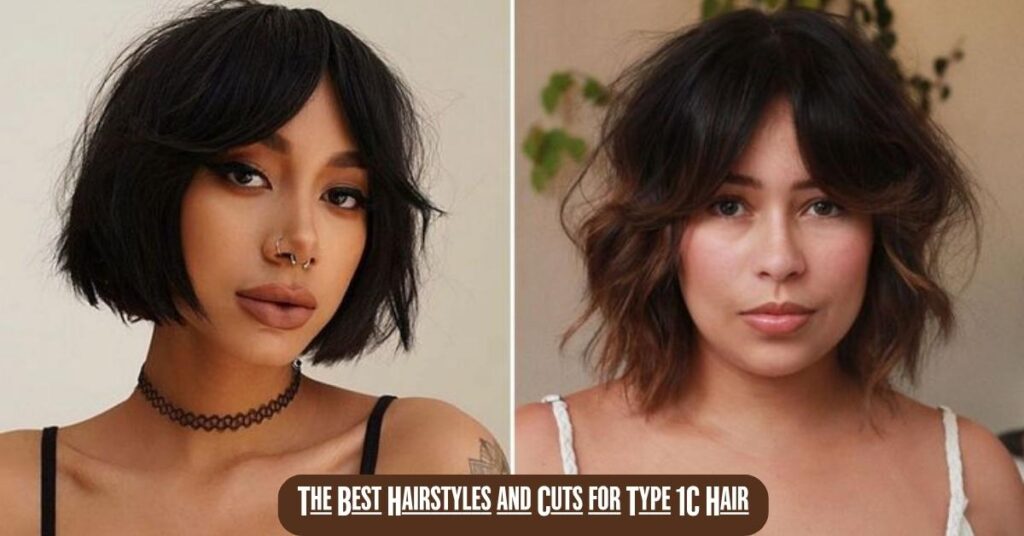
The right cut makes an enormous difference for 1C hair type. Because these strands are thicker and denser, the wrong cut can make the hair look bulky or shapeless. The best haircut for 1C hair type is almost always a layered haircut for straight hair. Layers remove weight from the ends, add movement, and give the hair a much more polished appearance. Long layers work especially well they keep the length while preventing that helmet-hair effect that dense 1C hair can sometimes create.
Long hairstyles for 1C hair look stunning when the cut is right. Think face-framing layers, curtain bangs, or a subtle A-line shape that adds structure. Blunt cuts can work too, especially for those who love a sleek, editorial look but they work best when the hair is regularly trimmed to prevent split ends from making the ends look thick and unruly. Hair styling tips for 1C hair also include knowing when to embrace the natural texture. On days when your hair has that slight bend at the ends, work with it instead of fighting it. A little texturizing spray and a quick scrunch gives you effortless, lived-in hair without any heat involved.
1C Hair Type Explained
Let’s get into the science a little because understanding why 1C hair behaves the way it does makes caring for it so much easier. Hair porosity and texture are two of the most important factors. Hair porosity refers to how well your hair absorbs and retains moisture. Low porosity hair has tightly packed cuticles that resist moisture.
High porosity hair has open cuticles that absorb moisture fast but lose it just as quickly. Most 1C hair falls somewhere in the middle, though the coarseness of the strands can make it feel dry even when it’s technically well-moisturized.
Hair elasticity and keratin structure also matter here. Healthy 1C hair snaps back when stretched that’s good elasticity. Damaged or over-processed 1C hair breaks easily. Because 1C strands are naturally coarser, they’re actually more resistant to damage than finer hair types which is one of their biggest strengths.
However, this same coarseness means the hair can feel rough or look frizzy when it lacks moisture. Can 1C hair hold curls? It can but it needs the right tools and products. A strong-hold mousse, a good curling iron, and a solid layer of hairspray are usually required. Without that support, 1C hair tends to drop curls faster than other types.
Understanding Type 1C Hair
One of the most common questions people ask is, “Why does my hair look slightly wavy?” For 1C hair type owners, the answer usually comes down to humidity, product buildup, or natural variation in the hair’s texture. On dry days, 1C hair looks almost completely straight.
On humid days especially in places like Florida, Texas, or the Carolinas that slight texture amplifies into something closer to a wave. This doesn’t mean your hair type has changed. It means your hair is responding to moisture in the air, which causes the hair cuticle to swell slightly and create more texture.
How to identify 1C hair type at home is simple. Wash your hair with a gentle cleanser, skip all styling products, and let it air dry completely. If it dries mostly straight with a slight texture or bend at the ends particularly around the face or nape you’re likely looking at type 1C hair. If you see a consistent wave pattern forming from root to tip, you may be a 2A. The wet test is helpful too. Dunk a few clean strands in water.
If they sink slowly, you have medium porosity common in 1C hair characteristics. If they sink immediately, porosity is high. If they float, it’s low. Knowing your hair porosity and texture helps you choose the right products with far more confidence.
1C Hair Guide How to Identify, Style, and Maintain 1C Hair Type
This section is your complete type 1C hair guide a single reference point for everything you need to know. Identifying 1C hair means looking for coarser, thicker strands that lie straight but resist styling. It means noticing that your hair doesn’t hold a curl for long, that it gets frizzy in humidity, and that it looks its best when kept clean and lightly moisturized. These aren’t flaws. They’re features.
How to style 1C hair naturally is all about working with the hair’s natural behavior rather than against it. On wash days, apply a small amount of a lightweight hair product a curl cream or mousse to damp hair and let it air dry. Should I use curl cream for 1C hair? Yes, but sparingly. A small amount enhances the natural texture without weighing the hair down. How to add volume to 1C hair is easier than most people think.
Flip your head upside down while blow drying the roots on a low heat setting. Or try a volumizing mousse at the roots before air drying. Simple tricks. Big results. Maintaining 1C hair means trimming regularly every eight to ten weeks to keep the ends healthy and prevent that dreaded triangle shape that dense hair can develop when it hasn’t been cut in a while.
Read More About: Hair Removal Cream Guide 2026: 8 Best Picks for Smooth, Hair-Free Skin Without Pain
1C Hair vs Other Hair Types
The difference between 1C and 2A hair is the question that comes up most often and it’s completely understandable. These two types live right next to each other on the curl typing chart and share several qualities. Both can look straight on some days and slightly wavy on others. Both deal with moderate frizz. Both benefit from lightweight hair products. But the key difference lies in the wave pattern. 2A hair forms a defined, consistent S-wave when it dries naturally. 1C hair doesn’t. It may have a slight bend or subtle texture but nothing that qualifies as a true wave.
| Feature | 1C Hair | 2A Hair | 2B Hair |
| Wave Pattern | Barely there | Loose S-wave | Defined S-wave |
| Thickness | Coarse/Thick | Fine-Medium | Medium |
| Frizz | Moderate | Moderate | Medium-High |
| Volume | Natural bulk | Medium | High |
| Curl Retention | Low | Medium | Medium-High |
| Best Products | Lightweight serums | Curl-enhancing creams | Defining gels |
Is 1C hair straight or wavy? Technically, it’s straight but it lives on the border. Think of it as the most textured version of straight hair you can have before crossing into the wavy category. That’s actually a beautiful place to be. You get the sleekness of straight hair types with just enough personality to style in multiple ways.
Best Care Routine for 1C Hair Type
Building a best routine for 1C hair doesn’t have to be complicated. Consistency matters far more than complexity. Here’s a practical weekly routine that works for most people with 1C hair type:
| Day | Routine |
| Monday | Shampoo, condition, apply anti-frizz serum, air dry |
| Wednesday | Co-wash or rinse only, apply lightweight leave-in conditioner |
| Friday | Full wash, deep condition for 5–10 minutes, style as desired |
| Daily | Gentle brush, light serum on ends if needed |
| Nightly | Loose braid or bun, sleep on a silk pillowcase for hair |
The silk pillowcase for hair tip deserves its own spotlight. Cotton pillowcases create friction against the hair cuticle all night long. That friction causes breakage, tangles, and you guessed it frizz. A silk or satin pillowcase reduces that friction dramatically. It’s one of the easiest upgrades you can make to your hair care routine for straight hair with zero effort required once it’s on your bed. How to reduce frizz in 1C hair comes down to this: seal the cuticle, reduce friction, and maintain consistent moisture. Do those three things regularly and your hair will look smoother and healthier with very little extra effort.
1C Hair Texture Is It Straight or Wavy?
Is 1C hair straight or wavy?
This is genuinely one of the most searched questions about this hair type and the honest answer is: it’s both, depending on the day. At its core, 1C hair texture is classified as straight. The hair follicle shape that produces 1C hair is slightly oval rather than perfectly round, which creates that barely-there texture. On a dry, low-humidity day, your 1C hair looks smooth and straight. On a humid summer day in Houston or Miami, those strands absorb moisture from the air and that subtle texture becomes more visible.
Why is my straight hair frizzy?
This is the question that sends most 1C hair owners down a research rabbit hole. The answer lies in hair porosity. When the hair cuticle is raised due to damage, humidity, or harsh products moisture enters and exits unevenly. This causes individual strands to swell at different rates, creating the appearance of frizz even in hair that is technically straight. Frizz control for straight hair means keeping those cuticles as smooth and sealed as possible. Use cool water for your final rinse. Apply a lightweight hair product with smoothing properties while the hair is still damp. And always use heat protection for hair before any hot tool touches your strands. These steps add up fast.
FAQ’s
What does 1C hair mean?
1C hair is the coarsest and thickest subtype of straight hair. It lies flat but has a slight texture or bend, especially at the ends. It’s prone to frizz and resists curling more than 1A or 1B hair.
Is 1C hair the thickest?
Yes within the straight hair category, 1C is the thickest and coarsest subtype. Across all hair types, Type 4 hair holds that title overall. But among straight hair, 1C wins.
Am I 1C or 2A hair?
Wash your hair, skip products, and let it air dry completely. If it dries mostly straight with slight texture at the ends, you’re 1C. If you see a soft S-wave forming, that’s 2A.
How rare is type 1C hair?
1C hair is less common than 1A or 1B. It appears most often in people of East Asian, Latin American, and Southern European descent. Many people have it but don’t realize it because it’s frequently misidentified.
Conclusion
1C hair is one of the most misunderstood hair types out there and also one of the most beautiful. It’s thick, strong, and full of natural personality. It doesn’t follow the rules. It doesn’t hold curls without a fight. And on humid days, it does exactly what it wants. But once you understand what is 1C hair and how to work with it, everything changes. The right hair care routine for straight hair, the right lightweight hair products, and the right cut can transform how your hair looks and feels every single day.
Start simple. Know your hair type. Build a consistent routine. Invest in a silk pillowcase for hair, grab a microfiber towel, and stop fighting your natural 1C hair texture. Whether you’re learning how to style 1C hair naturally, figuring out the best shampoo for 1C hair, or just trying to understand why your straight hair is frizzy the answers are all here. Your 1C hair type isn’t a problem to solve. It’s a texture to celebrate. Work with it and it will reward you every single day.


