

35 Fascinating Facts About Cats Every Cat Lover Should Know
Have you ever watched your cat do something completely bizarre and thought, “What on earth is going on inside that little head?” You’re not alone. Cats have puzzled, charmed, and captivated humans for thousands of years. They’re mysterious, elegant, and occasionally just plain weird. Whether your cat is sprawled across your keyboard right now or staring at a wall for no apparent reason, one thing is certain domestic cats are far more fascinating than most people realize.
This article dives deep into 35 amazing facts about cats that will genuinely surprise you. From record-breaking felines to ancient history, from bizarre anatomy to cutting-edge science, these interesting cat facts cover everything a true cat lover should know. So grab a cup of coffee, settle in, and prepare to see your furry companion in a whole new light.
Fun Facts About Cats That Sound Fake But Are True
You’ve probably heard a few fun facts about cats tossed around at dinner parties. But some facts about cats sound so outrageous that your first instinct is to call them fake. Here’s the thing they’re not. Cat sleeping habits, cat agility, and cat vocalizations are all packed with genuinely jaw-dropping surprises that science fully backs up.
The more researchers study feline facts, the more astonishing the picture becomes. These aren’t just cute pets lounging on your sofa. They’re precision-engineered, biologically remarkable creatures with capabilities that rival some of the most impressive animals on the planet. Let’s break down the facts that sound wildly made-up but are completely, verifiably true.
Cats Spend Around 70% of Their Lives Sleeping
If cat sleeping patterns have ever made you jealous, they should. The average house cat sleeps between 12 and 16 hours every single day. Some cats, especially older ones, clock in at a staggering 20 hours of snooze time. Do the math, and you realize a typical cat spends roughly 70% of its entire life asleep. That’s not laziness it’s biology.
Cat instincts are rooted in predatory behavior. In the wild, hunting instincts demand enormous bursts of explosive energy. Stalking, sprinting, and pouncing on prey burns serious calories fast. Sleep is how cats recharge between those high-intensity efforts. Their bodies evolved to conserve energy efficiently, storing it up for the next hunt. So why do cats sleep so much? Because every nap is essentially prep work for the next ambush even if that ambush is just attacking your ankle from behind the sofa.
Read More About: US Teacher Appreciation Day 2025: Amazing Dates, Brilliant Ideas, Exclusive Deals & Ultimate Celebration Guide
“A cat that sleeps 16 hours a day will spend the equivalent of 57 years asleep over an 82-year human lifetime.”
Cat sleeping habits also follow a polyphasic sleep pattern, meaning they take multiple shorter sleep cycles rather than one long overnight stretch. This is why your cat seems to nap, wake up for 20 minutes, play like a maniac, and then immediately fall asleep again. It’s all deeply instinctual cat behavior built over millions of years of evolution.
Cats Can Run Up to 30 Miles Per Hour
Here’s a surprising cat fact that puts things in perspective. The average healthy adult human runs at about 8 to 12 miles per hour. Usain Bolt, the fastest man ever recorded, peaked at around 27 miles per hour during his world-record sprint. Your average house cat can hit 30 miles per hour. Let that sink in.
Cat agility and raw speed come down to cat anatomy. A cat’s spine is extraordinarily flexible far more so than any human’s. When a cat runs at full speed, its back legs actually extend beyond its front legs with each stride, creating a double-suspension gallop that maximizes ground coverage. Combined with cat reflexes that are lightning-fast and powerful cat muscles, the result is a creature built for explosive speed.
Cat instincts developed this speed for a reason. In the wild, the difference between catching prey and going hungry could come down to a fraction of a second. That evolutionary pressure produced an animal with cat agility that most people deeply underestimate. Next time your cat rockets across the room at 2 AM, remember that’s a tiny, domestic cheetah doing exactly what nature designed it to do.
Cats Can Jump Up to Five Times Their Height
Cat jumping ability is one of those unique things about cats that becomes more impressive the more you think about it. A typical domestic cat stands about 9 to 10 inches tall at the shoulder. That means a healthy, motivated cat can clear a height of roughly 4 to 5 feet from a standing position. No running start needed.
The secret lies in a combination of cat anatomy factors working in perfect harmony. Cats have extraordinarily powerful hindquarters the large muscle groups in their back legs store elastic energy like compressed springs. Their cat reflexes and coordination allow them to release that energy in one explosive, perfectly timed burst. The flexible spine we mentioned earlier also plays a key role, acting like a giant spring that extends the jump distance dramatically.
Cat instincts explain the why behind this ability. In the wild, leaping into trees keeps cats safe from ground predators and gives them elevated hunting positions. This is also why cats love high places height equals safety and tactical advantage, and that instinct doesn’t disappear just because they live in a Manhattan apartment. The bookshelf, the fridge, the top of the wardrobe to your cat, these are all prime real estate.
Cats Make Over 100 Different Sounds
Here’s one of those facts about cats that genuinely floors people. Dogs despite their reputation as communicative, social creatures produce around 10 distinct vocalizations. Cats produce over 100 different sounds. Cat vocalizations include meowing, chirping, trilling, chattering, yowling, hissing, growling, purring, and a bizarre clicking sound cats make when they spot birds through the window.
What makes cat communication even more remarkable is that most of these sounds evolved specifically to communicate with humans. Wild cats don’t meow at each other nearly as often as house cats meow at their owners. Researchers believe domestic cats essentially developed an expanded vocal repertoire as a tool for manipulating the humans they live with and honestly, it works. Why cats meow at humans is a fascinating study in co-evolution. Your cat learned that making noise at you gets results: food, attention, open doors. They’re not confused. They’re strategic.
| Sound | Meaning |
| Meow | General communication with humans |
| Trill/Chirp | Greeting, affection |
| Chattering | Excitement or frustration (usually at birds) |
| Yowl | Stress, territorial warning, mating call |
| Hiss/Growl | Fear, aggression, defense |
| Purr | Comfort, stress relief, bonding |
Historical Facts About Cats Through the Ages
Facts about cats don’t begin in the modern era. Long before cats conquered the internet, they conquered civilizations. Cat lifestyle and cat habits have been intertwined with human society for nearly 10,000 years, shaping culture, religion, and even law across multiple continents. Cat history reads like an adventure novel full of worship, mystery, and the occasional political office.
The story of how cats went from wild predators to beloved feline companions is one of the most fascinating co-evolutionary tales in natural history. Cats essentially domesticated themselves, gravitating toward early human settlements because grain stores attracted rodents, and rodents attracted cats. Humans noticed the pest control and made room. A partnership was born and it’s never really ended.
Ancient Egyptians Worshipped Cats
Of all the interesting cat facts tied to human history, none is more iconic than the Egyptian connection. Ancient Egyptians didn’t just appreciate cats they worshipped them. Bastet, the goddess of home, fertility, and protection, was depicted with the head of a cat and considered one of the most powerful deities in the Egyptian pantheon.
Cats held such sacred status that killing one even accidentally was punishable by death. When a household cat died, the entire family would shave off their eyebrows as a sign of mourning. Archaeologists have discovered entire cemeteries filled with mummified cats, some buried with mummified mice as offerings for the afterlife. The city of Bubastis was essentially built around the worship of Bastet, hosting annual festivals that reportedly drew hundreds of thousands of visitors. For more on this, Smithsonian Magazine’s coverage provides excellent historical depth.
The Oldest Known Pet Cat Lived 9,500 Years Ago
Most people assume cat domestication history began with the Egyptians. But a remarkable archaeological discovery on the island of Cyprus pushed that timeline back dramatically. In 2004, researchers uncovered the burial site of a human and a cat interred together dating back approximately 9,500 years.
This predates Egyptian cat worship by nearly 4,000 years and suggests that the bond between humans and domestic cats is far older than previously thought. Cyprus has no native wildcat population, which means ancient humans deliberately transported cats to the island clear evidence of an intentional, valued relationship. This is one of those surprising cat facts that rewrites history in a single discovery.
A Cat Once Served as Mayor of an Alaskan Town
Among all the fun facts about cats, this one might be the most delightfully absurd. Stubbs, an orange tabby cat, served as the honorary mayor of Talkeetna, Alaska, for nearly 20 years. He was elected as a write-in candidate in 1997 when residents were unhappy with the available human options and just decided a cat would do a better job.
Stubbs became a genuine tourist attraction, drawing visitors from across the United States and beyond. He held “office hours” at a local restaurant where he reportedly enjoyed water served in a wine glass. He passed away in 2017, having served his town with remarkable dedication and zero policy blunders. Famous cats in history are plentiful, but Stubbs holds a uniquely democratic place among them.
Amazing Cat Anatomy Facts
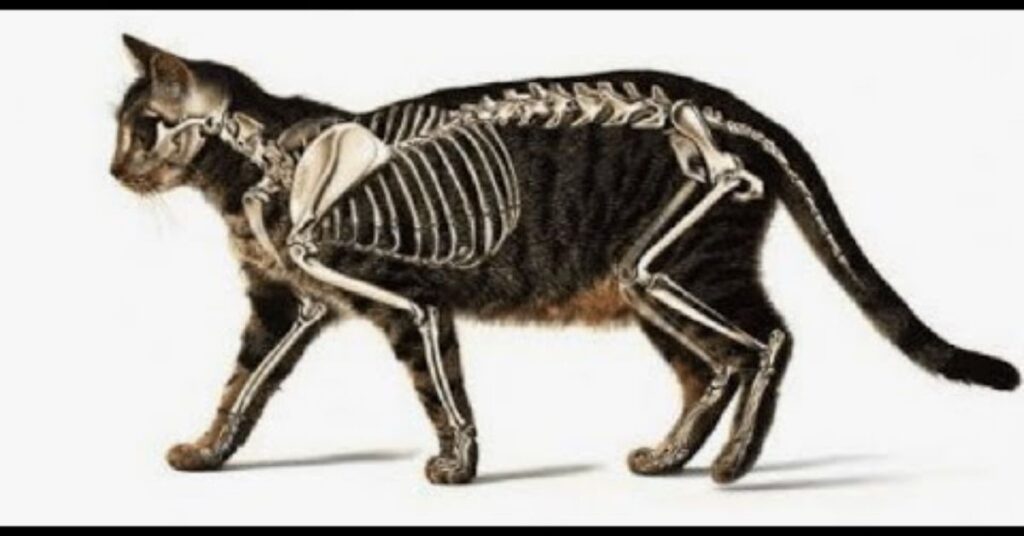
Cat anatomy is, without exaggeration, one of the most sophisticated biological designs in the mammal world. Cat senses operate at levels that make human perception seem almost embarrassingly limited. From the structure of their eyes to the mechanics of their ears, every part of a cat’s body serves a precise, evolved function. These domestic cat facts reveal just how extraordinary the feline form really is.
Understanding cat anatomy also helps explain so much about pet cat behavior. Why does your cat always land on its feet? Why can it hear you open a treat bag from three rooms away? Why do its eyes glow in the dark? The answers lie in millions of years of biological refinement and they’re genuinely remarkable.
Read More About: Teacher Appreciation Week 2025: Best Ideas, Gifts & Celebration Guide
Cats Have a Third Eyelid
Most cat owners have never noticed it, but their cat has three eyelids. The third one called the nictitating membrane is a pale, translucent inner eyelid that sweeps horizontally across the eye. It provides an extra layer of protection during hunting, keeps the eye moist, and helps clear debris without fully closing the outer eyelids.
You rarely see it in a healthy, alert cat. But here’s the important cat health fact: if your cat’s third eyelid is persistently visible, it often signals illness, stress, or injury. It’s one of those quiet signs of a healthy cat when it’s hidden, everything is probably fine. When it’s showing, it’s your cat’s body waving a small flag that says “something’s off.” Any cat owner guide worth reading will tell you: visible third eyelid means vet visit time.
A Cat’s Nose Print Is Unique Like a Fingerprint
Human fingerprints are unique no two people share the same ridge pattern. The same principle applies to cat nose prints. The bumpy, textured surface of a cat’s nose leather, called the nasal planum, carries a completely unique pattern of ridges and bumps that distinguishes every individual cat.
In theory, cats could be identified by their nose prints the same way humans are identified by fingerprints. Some animal welfare organizations have already explored this for feline identification purposes. It’s one of those things you didn’t know about cats that makes you want to immediately press your cat’s nose to an ink pad though your cat will almost certainly have opinions about that plan.
Cats Have 32 Muscles in Each Ear
Cat hearing is extraordinary, and the anatomy behind it explains exactly why. Each cat ear contains 32 individual muscles. Humans have just 6 ear muscles, and most of us can’t even voluntarily move our ears at all. Cats use those 32 muscles with remarkable precision, independently swiveling each ear like a biological satellite dish to pinpoint the source of a sound.
Cat hearing range extends far beyond human capability. While humans hear sounds up to about 20,000 Hz, cats hear up to 64,000 Hz. This is why your cat can detect the ultrasonic squeaks of mice hidden inside walls sounds that are completely silent to you. Cat senses explained this way make it clear why your cat often seems to hear things you can’t. Because it does.
Cats Can Rotate Their Ears 180 Degrees
Related to those 32 muscles is another piece of jaw-dropping cat anatomy: cats can rotate each ear up to 180 degrees, independently of the other. This isn’t just a fun party trick. It’s a precision hunting tool. By rotating their ears independently, cats can triangulate the exact location of a sound source with extraordinary accuracy even when the sound is brief, faint, or coming from behind a wall.
Cat ear rotation combined with superior cat hearing creates a sound-detection system that puts the most advanced human audio technology to shame. Watching a sleeping cat’s ears rotate toward a sound while its body stays completely still is one of the most striking demonstrations of feline instincts you’ll ever witness. The ears move before the conscious mind even processes the information.
Weird Facts About Cats You Probably Didn’t Know
Every cat owner thinks they know their pet pretty well. Then they stumble across a few of these things you didn’t know about cats and realize they’ve been living with a tiny biological marvel without fully appreciating it. Cat habits, cat behavior, and cat senses all contain surprises that even experienced owners find genuinely shocking.
These aren’t just random trivia nuggets. Understanding these surprising cat facts actually makes you a better, more informed owner. When you know why your cat does something, you stop finding it strange and start seeing it as the perfectly logical, biologically driven behavior it is.
Cats Sweat Through Their Paws
Here’s a surprising cat fact that catches almost everyone off guard. Do cats sweat through paws? Yes — that’s the only place they can. Unlike humans, cats don’t have sweat glands distributed across their bodies. They have eccrine sweat glands exclusively in their paw pads. This means when a cat is hot, stressed, or anxious, its paws produce moisture.
This is why you might notice small, damp paw prints on the vet’s stainless-steel exam table. Your cat isn’t just uncomfortable it’s literally sweating with anxiety. Cat thermoregulation relies mainly on grooming and panting rather than sweating, since the paw surface area is far too small to cool the whole body efficiently. Cat grooming habits play a big role here licking their fur spreads saliva, which evaporates and cools the skin slightly, working like a self-installed air conditioning system.
Some Cats Actually Love Water
The idea that all cats hate water is one of the most persistent myths in feline behavior. The truth is more nuanced. Many cats are indifferent to water, some actively avoid it, and a surprising number genuinely love it. Can cats swim? Absolutely. Cats are naturally capable swimmers and some breeds actively seek out water for play.
Water-loving cat breeds include the Turkish Van (nicknamed “the swimming cat”), the Maine Coon, the Bengal, and the Norwegian Forest Cat. Each of these breeds has a thicker, somewhat water-resistant coat and a documented affinity for playing with or in water. Cat behavior explained through an evolutionary lens makes this make sense wild cats living near rivers and lakes would have benefited from being comfortable in water. The “cats hate water” rule has some very notable exceptions.
Siamese Cats Can Change Color With Temperature
This is one of those facts about cats that sounds like something out of a science fiction novel. Siamese cats are born completely white. Their distinctive dark points the ears, face, paws, and tail develop after birth in response to temperature. Cooler body parts develop more melanin pigment while warmer central areas stay pale.
The science behind this is a temperature-sensitive enzyme called tyrosinase, which is responsible for melanin production but only functions properly at lower temperatures. This same gene, called the Himalayan gene, appears in several related breeds including Himalayan, Burmese, and Ragdoll cats. It means that if you moved a Siamese to a warmer climate, its points would actually lighten. Temperature literally writes itself onto the cat’s coat one of the most visually stunning examples of cat coat genetics in nature.
Scientific Facts About Cats and Their Behavior
Cat psychology and cat behavior science have exploded as fields of research over the past two decades. Scientists are learning things about feline intelligence, cat cognition, and feline behavior that are reshaping our understanding of what domestic cats really are and how they think. These facts about cats come straight from peer-reviewed research and make the case that cats are far more complex than their reputation suggests.
Cat behavior explained through a scientific lens reveals an animal that is simultaneously deeply instinctual and surprisingly intelligent. Feline companions aren’t just cute and low-maintenance. They’re cognitively sophisticated creatures with rich inner lives, complex communication systems, and social bonds that science is only beginning to fully understand.
House Cats Share Nearly 96% of Their DNA With Tigers
When your house cat stares at you with those golden eyes before knocking your glass off the table, remember this: it shares 95.6% of its DNA with the Siberian tiger. A 2013 genome study published in the Proceedings of the National Academy of Sciences confirmed this remarkable genetic overlap, explaining why cats and tigers share so many behavioral traits.
Cat DNA reveals shared instincts including territorial behavior, scent marking, stalking prey, and maintaining solitary hunting strategies. Your cat’s tendency to patrol the perimeter of its territory, spray-mark boundaries, or stalk a toy mouse across the floor isn’t quirky it’s tiger behavior scaled down to apartment size. Feline genetics make it clear that domestication softened the edges of the big cat, but didn’t erase the blueprint.
Why Cats Purr Besides Happiness
Almost every cat owner associates cat purring with contentment. And while a happy cat certainly purrs, why do cats purr is a far more complex question than most people realize. Cats also purr when they’re stressed, in pain, giving birth, or even dying. The purr isn’t just an expression of emotion it’s a functional biological tool.
Cat purring operates at a frequency range of 20 to 140 Hz. Research suggests that vibrations in this range stimulate bone density, promote tissue healing, and reduce pain and swelling. Cats may have evolved purring as a self-healing mechanism a way to maintain bone strength during the long hours of inactivity their lifestyle requires. Why do cats purr during illness or injury? Because their bodies are essentially running a built-in vibration therapy program. That sound isn’t just comforting for you it’s medicinal for them.
Cats Use Slow Blinking to Communicate Trust
Cat body language is rich, subtle, and easy to misread. One of the most meaningful signals in the feline body language dictionary is the slow blink. When a cat looks at you and slowly closes and reopens its eyes, it’s communicating profound trust and affection. In the wild, closing your eyes around another animal is an act of extreme vulnerability. A cat that slow-blinks at you is saying “I feel completely safe with you.”
A 2020 study published in Scientific Reports confirmed that humans can successfully communicate trust back to cats using the same slow-blink technique. Researchers found that cats were more likely to approach and interact with humans who slow-blinked at them. How cats show affection is often subtle, and the slow blink is one of the purest forms of it. Try it with your cat tonight make soft eye contact, then slowly close and reopen your eyes. You might be surprised by what comes back.
Cats Recognize Their Owner’s Voice
Here’s a fact about cats that will either comfort you or make you feel slightly betrayed, depending on your perspective. Research confirms that house cats do recognize their owner’s voice. A 2013 study from the University of Tokyo played recordings of owners and strangers calling cats’ names. The cats consistently showed physical responses ear rotation, head turning, pupil dilation when they heard their owner’s voice, even when they showed no visible behavioral response.
Why cats ignore people isn’t because they don’t hear you or don’t know who you are. They absolutely do. Feline intelligence studies suggest cats process their owner’s voice as familiar and significant they simply choose whether or not to respond based on their own internal calculus of interest and motivation. Cat owner tips based on this research: your cat hears you calling. Whether it comes is simply a matter of whether it currently feels like it. That’s not stubbornness it’s cat psychology in action.
Health Benefits of Owning a Cat
The benefits of owning a cat extend well beyond companionship. Medical research increasingly shows that cat ownership has measurable, positive effects on human health physically, mentally, and emotionally. For anyone wondering why cats are good pets, the scientific evidence provides some very compelling answers that go far beyond the obvious.
Cat care advice from veterinary and mental health professionals consistently highlights the cat lifestyle benefits for owners as well as the animals themselves. Sharing your home with a feline companion isn’t just emotionally rewarding it appears to be genuinely good for your body and mind in ways researchers are still working to fully quantify.
Cats May Help Reduce Stress and Anxiety
Cats reduce stress and this isn’t just anecdotal wisdom passed between cat lovers. The American Heart Association has published data linking pet ownership, including cats, to reduced cardiovascular risk. Studies show that cat ownership correlates with lower cortisol levels cortisol being the primary stress hormone associated with anxiety, high blood pressure, and immune suppression.
Cat mental health benefits show up across multiple studies. Simply petting a cat for 10 minutes has been shown to measurably reduce self-reported anxiety and lower physiological stress markers. Pet therapy programs in hospitals, nursing homes, and university counseling centers across the USA increasingly include feline companions for exactly this reason. The benefits of owning a cat extend from the mental to the cardiovascular owning a cat may literally be good for your heart.
A Cat’s Purr May Promote Healing
We touched on cat purr healing earlier when discussing why cats purr, but it deserves its own deeper exploration. The therapeutic potential of cat purring is one of the most fascinating intersections of animal behavior and human medicine. Purr vibration therapy operates on a principle already used in orthopedic medicine vibration in the 25 to 50 Hz range has been clinically shown to improve bone density, accelerate fracture healing, and reduce joint pain.
Feline healing frequency research suggests that cats’ purring may explain why they tend to recover from bone fractures faster than dogs of comparable size and health. It may also explain the old veterinary observation that cats seem to survive injuries that would kill similarly sized animals. For cat owners, this means every time your cat settles on your lap and purrs, you’re receiving what amounts to a free, low-level vibration therapy session. The world’s most underrated healing tool might just be sleeping on your sofa.
Record-Breaking Cat Facts
Guinness World Records cats represent the outer limits of what’s possible in the feline world. Amazing facts about cats become even more amazing when they’re backed by official measurements and documentation. These cat fun trivia highlights show just how far the feline form can stretch sometimes literally.
From length to longevity to the decibel-shattering power of a determined purr, record-breaking cats remind us that even within a species full of unique things about cats, some individuals manage to stand out in truly extraordinary ways.
The Longest Cat Ever Measured 48.5 Inches
Barivel, a Maine Coon living in Italy, earned his place in the Guinness World Records as the longest living domestic cat ever officially measured. He clocks in at an extraordinary 48.5 inches from nose tip to tail tip that’s more than four feet of cat. To put this in perspective, that’s roughly the height of an average 7-year-old child. Horizontal.
Maine Coon size is already legendary among cat breeds, but Barivel represents the extreme end of even that impressive spectrum. Largest cat breeds like the Maine Coon regularly produce animals that seem more like small dogs in terms of sheer physical presence. Barivel’s record underscores why Maine Coons are one of the most striking and impressive cat breeds you can share your home with.
The Oldest Cat Lived to 38 Years Old
Cat lifespan typically runs 12 to 18 years for a well-cared-for indoor cat. Creme Puff, a cat from Austin, Texas, shattered every expectation by living to the verified age of 38 years and 3 days — making her the oldest cat ever officially recorded. In human years, that’s roughly equivalent to 168 years of life. She was born in 1967 and passed in 2005.
What did Creme Puff eat? Her owner Jake Perry reported a diet that included bacon, eggs, asparagus, broccoli, and the occasional splash of red wine. Veterinarians remain somewhat baffled by her longevity, as her diet defied conventional healthy cat diet wisdom comprehensively. Whatever her secret, Creme Puff represents the absolute outer boundary of cat lifespan on record, and her story remains one of the most remarkable in cat history.
The Loudest Cat Purr Ever Recorded
Merlin, a rescue cat from Torquay, England, holds the Guinness World Record for the loudest cat purr ever officially measured at a thunderous 67.8 decibels. To put that in context, a normal conversation registers around 60 decibels. A dishwasher runs at about 70. Merlin’s cat purring sits comfortably between the two meaning his purring is literally as loud as background kitchen appliances.
His owner, Tracy Westwood, reported that Merlin’s purring frequently drowned out the television and made phone conversations difficult. For a mechanism that evolved as a soft self-soothing behavior, a 67.8-decibel purr is one of the most gloriously excessive cat fun trivia facts you’ll ever encounter. Loudest cat purr records aside, Merlin remains proof that cat purring can be anything but subtle.
Fun Facts About Kittens
Kitten facts occupy a special category within the world of amazing facts about cats because kittens start life in a surprisingly vulnerable state that makes their eventual transformation into agile, sharp-sensed adults even more remarkable. Kitten development facts reveal a rapid, dramatic journey from helpless newborn to fully capable hunter that happens in just a few months.
Baby cat facts are also some of the most emotionally compelling in the cat world. Understanding what newborn kittens experience and need makes you appreciate the care mother cats provide and the resilience packed into those tiny, fumbling bodies from day one.
Kittens Are Born Blind and Deaf
Newborn kitten senses are essentially non-functional at birth. Kittens arrive in the world with their eyes fused shut and their ear canals sealed closed. Kitten eye development begins around 10 days after birth, when the eyes start to open gradually though kitten vision remains blurry and unfocused for several more weeks. Ear canals open at a similar pace, meaning the first 2 weeks of a kitten’s life are spent in complete darkness and silence.
This vulnerability is precisely why mother cats are so intensely protective in the early weeks. A newborn kitten relies entirely on its sense of smell and touch to locate its mother and siblings. The whiskers those remarkable cat whiskers are actually functional from birth and serve as the kitten’s primary navigation tool before sight and hearing come online. Cat whiskers purpose in newborns is navigation. In adults, it expands to spatial awareness, hunting, and environmental sensing.
Kittens Sleep Even More Than Adult Cats
If adult cats sleeping 16 hours a day seems like a lot, kitten sleep patterns will truly astonish you. Newborn kittens sleep up to 20 hours per day. This isn’t indulgence — it’s biological necessity. The vast majority of kitten growth happens during sleep, when the pituitary gland releases growth hormone in concentrated bursts.
Kitten development facts show that kittens double their body weight within the first week of life. Muscle development, bone formation, brain maturation, and immune system development all accelerate during sleep phases. By the time a kitten reaches 6 months, it will have transformed from a blind, deaf, palm-sized creature into a nearly fully capable, agile young cat. That transformation is powered largely by sleep. Baby cat behavior built around maximum rest is, in every sense, biology working exactly as designed.
Facts About Different Cat Breeds
Cat breeds represent thousands of years of natural and selective breeding that produced an astonishing variety of physical types, personalities, and behavioral tendencies. Domestic cat facts vary significantly from breed to breed, and understanding these differences is genuinely useful cat owner guide material. Popular cat breeds USA include everything from the elegant Siamese to the gentle giant Maine Coon and each comes with its own fascinating profile.
Cat personality varies considerably between breeds. Some are vocal and demanding. Others are placid and independent. Some actively seek water. Others are built for cold climates. Understanding breed-specific cat habits and cat care tips helps owners provide environments that match their cat’s natural tendencies which leads to happier, healthier animals.
Why Siamese Cats Change Color
Siamese cat traits are rooted in one of the most fascinating genetic mechanisms in the entire animal kingdom. Color-point cats like the Siamese carry a mutation in the gene that controls tyrosinase, the enzyme responsible for melanin production. The mutated version of this enzyme is temperature-sensitive it only activates in cooler tissues, which means the extremities (ears, face mask, paws, and tail) develop dark pigment while the warmer central body stays cream or white.
This cat coat genetics phenomenon explains why Siamese kittens are born all-white inside the womb, the temperature is uniformly warm, suppressing pigment production everywhere. Once born and exposed to cooler air temperatures, the extremities begin to darken. It also means that a Siamese cat color change can occur if the cat’s body temperature shifts significantly due to illness or environment. The coat becomes a living, color-coded temperature map one of the most genuinely extraordinary unique things about cats in the entire species.
Maine Coons Are One of the Largest Cat Breeds
The Maine Coon breed is many things: gentle, loyal, playful, and absolutely massive. Large cat breeds don’t get much more impressive than the Maine Coon. Adult males regularly weigh between 15 and 25 pounds, can reach 40 inches in length, and carry a thick, luxurious double coat that evolved to withstand harsh New England winters. They look less like typical house cats and more like small wildcats wearing a fur coat.
Maine Coon facts extend beyond the physical. They’re often described as the “dogs of the cat world” because of their tendency to follow owners from room to room, learn commands, walk on leashes, and express genuine enthusiasm for interaction. Many Maine Coons also share the water-loving trait mentioned earlier. The breed’s history is somewhat murky one charming but unverified legend holds that American Maine Coons are descended from Marie Antoinette’s cats, reportedly shipped to the US ahead of her planned (but never executed) escape from France. True or not, it’s a story worthy of the breed’s regal presence.
FAQ’s
Why Do Cats Sleep So Much?
Cats sleep 12–16 hours daily because their bodies are built for short, explosive bursts of hunting energy. Sleep recharges them between those intense efforts. It’s pure survival instinct, not laziness.
Why Do Cats Knead Blankets and People?
Kneading starts in kittenhood when kittens push their mother’s belly to trigger milk flow. Adult cats carry this habit forward as a comfort behavior. When your cat kneads you, it feels completely safe and loved.
Can Cats See in Complete Darkness?
Cats can’t see in total darkness but need six times less light than humans to see clearly. A reflective layer behind their retina called the tapetum lucidum bounces light back for sharper low-light vision. They see motion and shapes brilliantly where you’d see absolutely nothing.
Conclusion
There you have it 35 fascinating facts about cats that cover everything from ancient history to cutting-edge science, from record-breaking individuals to the biological marvels hiding beneath every purring, napping, slow-blinking feline companion in your home. Cat lover facts like these remind us that domestic cats are not just convenient, low-maintenance pets. They’re remarkable creatures with extraordinary cat senses, deep evolutionary histories, complex cat communication systems, and genuine health benefits for the humans lucky enough to share space with them.
Whether you’re a lifelong cat owner who thought you’d heard it all, or someone just beginning to appreciate the depth and wonder of cat behavior, one thing is certain the more you learn about cats, the more impressive they become. These amazing facts about cats are just the beginning. Every day with your cat is another chapter in one of the oldest, strangest, and most rewarding partnerships in human history. Share this article with a fellow cat lover, and give your cat an extra slow blink from us. They’ll know what it means.