

10 Best Hair Gloss Treatments for Instant Shine and Healthier-Looking Hair
Have you ever stepped out of the shower, looked in the mirror, and thought why does my hair look so flat? You’re not alone. Millions of people across the US deal with dull, lifeless hair every single day. The good news? A hair gloss treatment might be exactly what your strands have been crying out for. It’s not a trend. It’s a total game-changer that stylists have quietly been recommending for years.
The best hair gloss options on the market right now do something pretty remarkable. They don’t just sit on top of your hair they smooth down the cuticle, seal in moisture, and bounce light off your strands like a mirror. Whether your hair is color-treated, naturally dark, fine, or frizzy, there’s a gloss for hair shine made specifically for your needs. Stick around, because this guide covers the top 10 picks, expert tips, and everything in between.
Gloss for Hair How It Boosts Shine, Smoothness, and Vibrancy
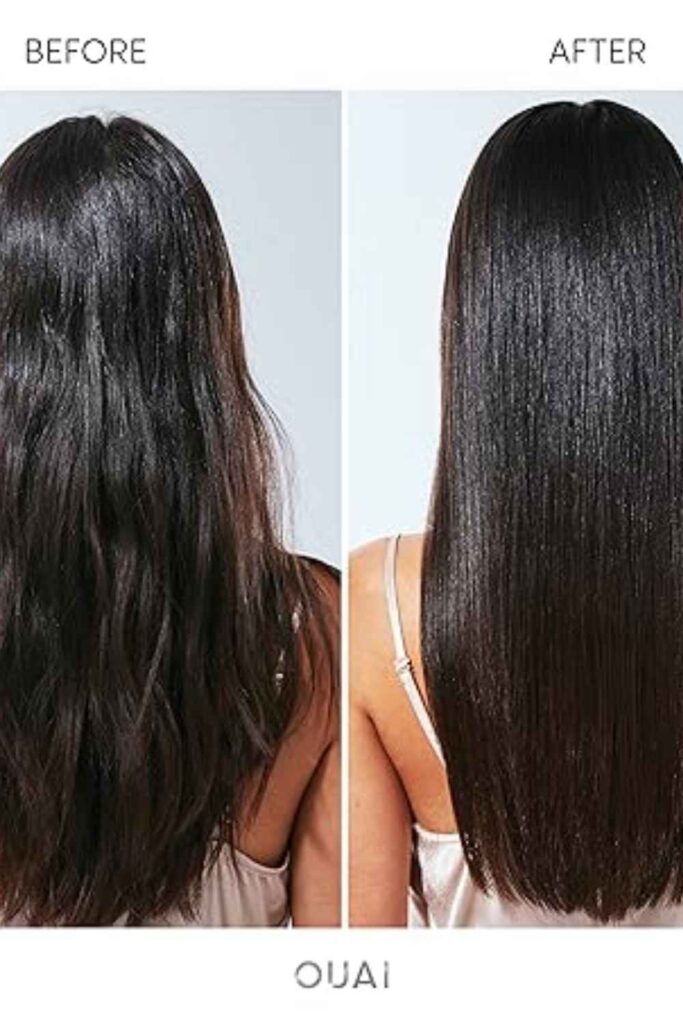
Think of your hair strands like roof tiles. When those tiles lay flat, rain slides right off smooth and clean. When they’re raised and rough, everything catches. That’s exactly what happens with your hair cuticle. Dull hair has raised, uneven cuticles that scatter light in every direction. A gloss for hair shine flattens those cuticles down using conditioning agents like amino acids, keratin, citric acid, and argan oil. The result? Light bounces off your hair evenly and you get that wet, glossy finish you’ve been chasing.
But hair glossing treatment goes beyond just shine. It also adds smoothness, reduces frizz, and brings serious color vibrancy back to tired, faded strands. A semi-permanent hair gloss can refresh your color between salon visits without the harsh chemicals of a full dye job. A clear hair gloss, on the other hand, works on any hair color to deliver pure, undeniable shine no toning, no pigment, just glass-like brilliance. The difference it makes after just one use is honestly hard to overstate.
Hair Gloss at Home Easy Steps for Salon-Like Shine Without Damage
Here’s something your stylist might not have told you you don’t need to sit in a salon chair to get a professional-level at home hair gloss treatment. Modern formulas are designed to be gentle, foolproof, and effective. The whole process usually takes under 20 minutes. You shampoo, apply the hair smoothing gloss, wait a few minutes, rinse, and you’re done. That’s it. No bleach. No developer. No damage. How to get glossy hair naturally starts with choosing the right formula and following the steps correctly and we’ll walk you through all of that later in this article.
Hair Glossing Treatment: What It Is, Benefits, and How It Works
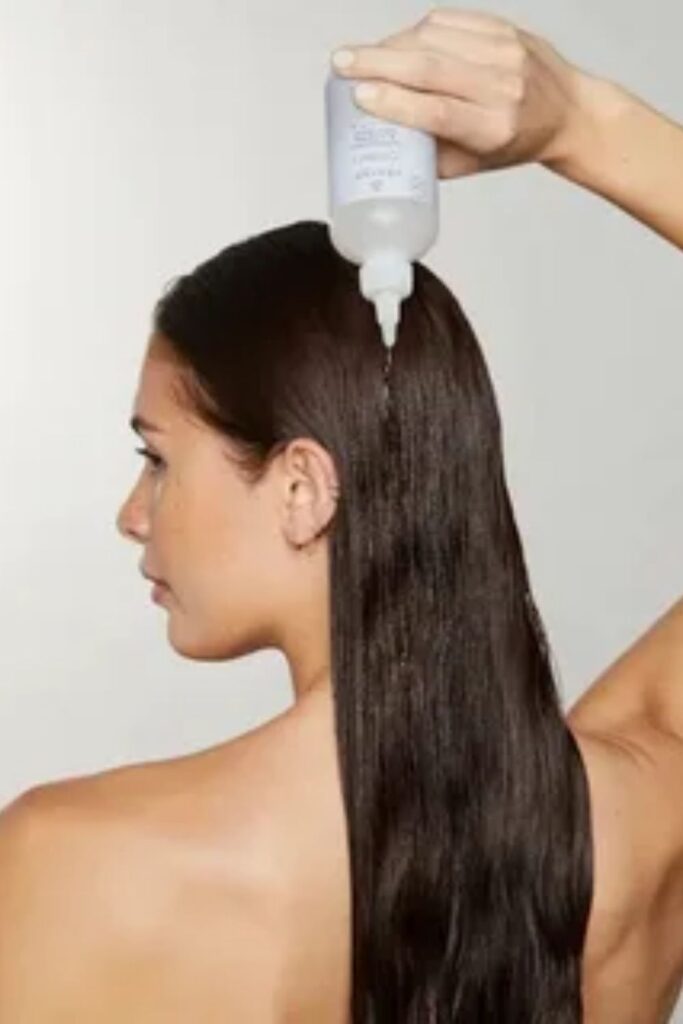
So, what is hair gloss treatment exactly? Simply put, it’s a conditioning color service or product that coats the outside of your hair shaft with shine-boosting, smoothing ingredients. Most formulas are semi-permanent or demi-permanent, meaning they gradually fade over 2 to 4 weeks without any harsh grow-out line.
Some contain a tiny amount of color pigment to tone your hair while they shine it up. Others are completely clear pure shine treatment for hair with zero color change. Either way, the mechanism is the same: seal the cuticle, add luminosity, and leave your hair looking healthier than it actually is.
Is hair gloss good for your hair? The short answer is yes especially compared to regular hair dye. A hair glossing treatment uses no ammonia and typically no peroxide in its formula. That means it conditions as it colors.
Stylists often describe it as a “workout” for your hair it comes out stronger, shinier, and smoother on the other side. It works beautifully on color-treated hair, natural hair, fine hair, and even hair gloss for damaged hair that needs a gentle boost without extra stress.
Read More About: Low Taper Fade Straight Hair: 30 Sharp, Modern Haircuts Every Man Should Try in 2026
Best Hair Gloss Treatment Expert-Approved Options for Glossy, Frizz-Free Hair
Choosing a professional hair gloss from a sea of options isn’t easy. So the picks below were evaluated on five key factors: shine payoff, ingredient quality, ease of application, suitability for different hair types, and how long results actually last. Both drugstore and professional-grade formulas made the cut because great hair shouldn’t require a huge budget. Every product here has been assessed with real hair and real results in mind.
What you’ll notice is that this list covers a wide range of needs. Some are the best at home hair gloss treatment options for beginners. Others are salon hair gloss level formulas that just happen to be available for home use. Whether you’re dealing with brassiness, frizz, dullness, or fine hair that goes flat by noon there’s something here for you. Let’s get into it.
Best for Fine Hair
Hally Hair Gloss
Fine hair is tricky. It needs shine but hates weight. Most glosses leave it looking greasy or flat which is the opposite of what you want. That’s where Hally Hair Gloss earns its spot at the top of this list. This lightweight hair shine enhancer delivers a beautiful, glassy finish without loading your strands with heavy silicones or oils. It’s one of those rare formulas that actually makes fine hair look fuller after you rinse it out because smooth cuticles reflect more light and appear thicker to the naked eye.
How to use hair gloss at home with Hally is refreshingly simple. Apply it to clean, damp hair, let it sit for about 10 minutes, and rinse thoroughly with cool water. The results are immediate your hair feels silky, looks shinier, and has a bounce that’s hard to fake any other way. It’s also free from harsh sulfates, making it a solid pick for hair gloss for color treated hair too.
| Feature | Details |
| Best for | Fine, limp, color-treated hair |
| Processing time | 10 minutes |
| Formula type | Clear gloss |
| Sulfate-free | Yes |
| Price range | $$ |
Pros: Lightweight, adds body and shine, easy to apply, color-safe
Cons: May need more frequent reapplication, limited shade range
Best for Frizz Control
IGK Expensive Glaze
The name says expensive. The results justify it. IGK Expensive Glaze is hands-down one of the best frizz control gloss products available outside of a salon. It combines anti-humidity technology with serious cuticle-sealing ingredients like glycerin and silk proteins to lock moisture in and keep frizz firmly out. If you live somewhere humid think Florida, Houston, or any coastal city this product is practically essential.
Hair gloss for frizzy hair treatment works by sealing the cuticle so tightly that moisture from the air can’t penetrate and cause that dreaded puffiness. IGK does exactly that, and the results last impressively well usually around 2 to 3 weeks with proper care. It also smells incredible, which is a bonus nobody complains about. How to make hair shiny with gloss doesn’t get more satisfying than rinsing this one out and running your fingers through butter-smooth, frizz-free strands.
| Feature | Details |
| Best for | Frizzy, coarse, humidity-prone hair |
| Processing time | 5–15 minutes |
| Formula type | Clear glaze-gloss hybrid |
| Sulfate-free | Yes |
| Price range | $$$ |
Pros: Outstanding frizz control, long-lasting smoothness, luxurious scent
Cons: Premium price, slightly heavy for very fine hair
Best for Brassiness
Pureology Top Coat + Clear Gloss
Brass is the enemy of every blonde and highlighted brunette. That warm, orange-yellow tone that creeps in between color appointments it’s frustrating. Pureology Top Coat + Clear Gloss tackles it head-on. This color depositing gloss uses toning pigments to neutralize brassiness while simultaneously flooding your strands with conditioning agents that boost shine and smoothness. It’s sulfate-free, vegan, and formulated to protect color-treated hair from the inside out.
Best hair gloss for shiny hair that’s also dealing with brassiness is a short list and Pureology leads it. The dual-action formula means you’re not just toning your hair, you’re also treating it. Think of it as a demi permanent hair color gloss that conditions while it corrects. Timing is important here leave it on too long and you risk going ashy. The sweet spot is usually 10 to 15 minutes, though following the package directions exactly is always the safest bet.
| Feature | Details |
| Best for | Blonde, highlighted, color-treated hair |
| Processing time | 10–15 minutes |
| Formula type | Tinted gloss |
| Sulfate-free | Yes |
| Price range | $$$ |
Pros: Neutralizes brassiness, conditions deeply, professional-grade formula
Cons: Requires precise timing, not ideal for very dark hair
Best Fast-Acting
Paul Mitchell Awapuhi HydraSoft Glossing Treatment
Life is busy. Not everyone has 20 minutes to stand around with product in their hair. Paul Mitchell Awapuhi HydraSoft Glossing Treatment gets that — and it delivers full shine boosting hair treatment results in as little as 3 to 5 minutes. The hero ingredient here is Awapuhi extract, also known as wild ginger, which has been used for centuries in Hawaiian culture to condition and strengthen hair. Combined with hydrolyzed keratin and lightweight silicones, this formula repairs, smooths, and glosses in a fraction of the time most products need.
Best gloss for dull hair repair that also works fast is genuinely rare. Most fast formulas sacrifice depth of conditioning for speed. Paul Mitchell doesn’t make that trade-off. This one actually penetrates the strand quickly, delivers meaningful moisture, and leaves your hair with a soft, glossy finish that photographs beautifully. It’s a favorite among busy professionals and frequent gym-goers who wash their hair regularly and need quick, consistent results.
| Feature | Details |
| Best for | Busy routines, dry or damaged hair |
| Processing time | 3–5 minutes |
| Formula type | Clear glossing treatment |
| Sulfate-free | Yes |
| Price range | $$$ |
Pros: Ultra-fast results, deeply hydrating, professional-grade ingredients
Cons: Results may not last quite as long as longer-sit formulas
What to Look for in a Hair Gloss
Not every hair gloss treatment is created equal. Before you spend your money, it’s worth knowing exactly what separates a great formula from a mediocre one. The formula type matters first clear hair gloss gives you pure shine with no color change, while tinted hair gloss adds a wash of tone alongside the shine. If you’re trying to refresh faded color or neutralize brassiness, go tinted. If you just want mirror-like shine with zero color commitment, clear is your best friend.
Ingredients tell the real story. Look for formulas packed with amino acids, keratin, natural oils, and citric acid all of which seal the cuticle and lock in luminosity. Steer clear of anything with harsh sulfates, ammonia, or high concentrations of alcohol, especially if you have color-treated hair or a sensitive scalp. And always check the processing time a shine treatment for hair that needs 20 minutes won’t work for someone with a 10-minute morning routine.
| What to Look For | Why It Matters |
| Clear vs. tinted formula | Determines color impact |
| Amino acids & keratin | Seal and strengthen cuticle |
| No ammonia or sulfates | Protects color and hair health |
| Processing time | Must fit your lifestyle |
| Hair type compatibility | Check label before buying |
| Longevity | Average is 2–4 weeks |
How We Tested Hair Glosses
Testing professional hair gloss products isn’t as simple as just trying them once and writing about it. Every product in this guide was evaluated across multiple uses, on multiple hair types, over several weeks. The criteria included shine payoff immediately after use, smoothness and frizz reduction, how well the results held up after 2 and 4 weeks, ingredient transparency, ease of application, and overall value for money. Both fine and thick hair was included in testing, as were color-treated, natural, and damaged hair types.
The goal was to find products that genuinely deliver on their promises not just ones with pretty packaging or celebrity endorsements. Which hair gloss is best for damaged hair was one of the central questions tested. Damaged hair responds differently to gloss than healthy hair does it absorbs product faster and can sometimes feel coated rather than conditioned. The picks in this guide all performed well even on compromised strands, which is exactly what you need when you’re trusting a product with your hair.
The Two Types of Hair Gloss
There are really only two categories of hair gloss treatment you need to understand and knowing the difference will save you from buying the wrong thing. First, there’s clear hair gloss. This one has zero pigment. It adds pure, undeniable shine, smooths the cuticle, and conditions without changing your color one bit. It works on literally every hair color and type, making it the most versatile option on the market. It’s also the gentlest, since there’s nothing to react with your existing color.
Then there’s tinted hair gloss and this is where things get interesting. A color depositing gloss uses semi-permanent pigments to add a sheer veil of color over your existing shade while simultaneously glossing it up. Blondes might use a golden or ash tint to refresh their highlights. Brunettes might choose a chestnut or chocolate tint to deepen their natural color. Demi permanent hair color gloss falls into this category too — it uses a very low-level developer to help pigment deposit more effectively, giving slightly longer-lasting results than a pure deposit-only formula.
Hair Gloss vs. Hair Dye
This is one of the most common questions in the beauty world and the answer is simpler than most people think. Is hair gloss better than hair dye? It depends entirely on what you’re trying to achieve. Hair dye penetrates the cortex of your hair strand using ammonia and hydrogen peroxide to lift existing color and deposit new pigment. It’s permanent, powerful, and capable of dramatic color changes. But it comes with a price: repeated use causes real structural damage to your strands.
A hair glossing treatment, on the other hand, works only on the surface of the hair shaft. It deposits color on top of the cuticle without lifting or altering the internal structure of your strand. Does hair gloss damage hair? Almost never because there’s no lifting agent involved. The result is a softer, more translucent color change that fades naturally over 2 to 4 weeks. It’s the smarter choice for anyone who wants to maintain shine and color without the long-term damage that comes with regular dyeing.
| Feature | Hair Gloss | Hair Dye |
| Color change level | Subtle and tonal | Dramatic |
| Permanence | 2–4 weeks | 4–6 weeks+ |
| Damage risk | Very low | Moderate to high |
| Contains ammonia | No | Usually yes |
| Contains peroxide | Rarely | Yes |
| Best use | Shine + tone refresh | Full color change |
What Are the Benefits of a Hair Gloss?
The benefits of a hair gloss treatment stack up fast. First and most obviously instant shine. A single session can transform dull, flat hair into something that genuinely looks healthy and luminous. That’s not an exaggeration.
The cuticle-sealing action of a good shine treatment for hair is immediately visible, and most people notice the difference the moment they rinse. Beyond shine, frizz control gloss formulas reduce the poufy, static-filled texture that plagues so many people in humid climates.
Color longevity is another huge benefit. Hair gloss for color treated hair acts like a sealant over your existing dye, locking in pigment so your color fades more slowly between salon visits. That means less money spent on touch-ups and less chemical exposure overall. Add to that the deep conditioning effect, improved manageability, and the fact that best shine treatment for dry hair options can genuinely restore a softer texture and you’ve got a product category that earns every bit of its growing popularity.
Read More About: 33 Semi Permanent Hair Color The Ultimate Expert Guide to Long-Lasting, Vibrant Shades at Home
Who Should Use a Hair Gloss?
The honest answer? Almost everyone. Best hair gloss for natural hair shine works beautifully on uncolored hair it adds definition, reduces frizz, and gives natural strands a polished, intentional look without any chemical commitment.
Hair gloss for color treated hair extends the life of salon color significantly, which is both a time and money saver. Fine hair benefits from lightweight clear gloss formulas that add the illusion of thickness. Thick, coarse, or frizzy hair loves the smoothing, anti-humidity properties of a hair smoothing gloss.
Does hair gloss cover gray hair? A tinted gloss can blend grays subtly it won’t erase them completely, but a well-matched tint can soften the contrast and make gray strands appear more intentional.
For damaged hair that’s been over-processed, bleached, or heat-damaged, hair gloss for damaged hair provides a low-risk way to improve appearance and add conditioning without introducing more stress. The only people who should proceed with extra caution are those with very porous, extremely over-processed hair in those cases, a patch test and professional consultation is always smart.
How To Use a Hair Gloss at Home
How to apply hair gloss correctly is something a lot of people get wrong not because it’s complicated, but because they skip steps. The good news is the process is genuinely easy once you know the right order. Most at home hair gloss treatment products follow the same basic sequence, and nailing it means the difference between good results and great ones. Plan for about 20 to 30 minutes from start to finish, including processing time.
Temperature matters more than most people realize. Always rinse your hair glossing treatment with cool or cold water not warm. Cool water causes the cuticle to contract and seal tightly, which is exactly what locks in all that shine and smoothness. Warm water does the opposite it opens the cuticle back up and lets everything you just applied rinse right out. This one simple tip dramatically improves your results every single time.
Shampoo your hair
Start with clean hair. Use a clarifying or sulfate-free shampoo to strip away any product buildup, oil, or residue that might prevent your hair gloss treatment from absorbing properly. This step is non-negotiable. If there’s a barrier between your hair and the gloss, the results will be patchy and uneven. Wash thoroughly, then squeeze out as much water as possible. You want your hair damp not soaking wet before you move to the next step. Towel-blotting works better than wringing, especially if your hair is fragile.
Apply conditioner
This step surprises a lot of people but it’s important. Apply a lightweight conditioner only to your mid-lengths and ends, not your roots. This acts as a gentle buffer that protects your most vulnerable strands during the glossing process. It does not block the gloss from working it simply prevents over-absorption in areas that are more porous or damaged. Rinse the conditioner out completely before applying your gloss. Leaving conditioner in can create a film that reduces how well the shine boosting hair treatment adheres to your strands.
Finish with the glossing mask
Now comes the main event. Section your hair into four parts two in the front and two in the back for even application. Apply your chosen gloss treatment for dull hair from root to tip in each section, using a wide-tooth comb or your fingers to make sure every strand is coated. Set a timer for however long your product specifies usually 5 to 20 minutes depending on the formula. Don’t rush this step. When time’s up, rinse thoroughly with cool water until the water runs completely clear. Style as usual and enjoy your results.
Hair Gloss vs. Hair Glaze: What’s the Difference?
Hair glaze vs hair gloss people mix these up constantly, and it’s understandable. They look similar. They do similar things. But there are meaningful differences worth knowing. A hair glaze is purely cosmetic. It contains no developer whatsoever, deposits almost no pigment, and works only on the very surface of the cuticle. Results are beautiful but brief usually lasting one to two weeks before the shine starts to fade. A glaze is perfect for a special occasion or a quick refresh, but it won’t give you lasting color correction.
A hair glossing treatment, by contrast, may contain a very small amount of developer in some formulas enough to help pigment molecules embed slightly more deeply into the cuticle layer. This gives longer-lasting results, typically two to four weeks, and a more noticeable color shift if you’re using a tinted version. Salon hair gloss treatments often fall into this category they’re technically glosses, not glazes, which is why they last longer and cost more than a simple at-home glaze product.
| Feature | Hair Gloss | Hair Glaze |
| Contains developer | Sometimes (low level) | Never |
| Lasting power | 2–4 weeks | 1–2 weeks |
| Color deposit | Light to moderate | Minimal to none |
| Damage risk | Minimal | Nearly zero |
| Best use case | Tone + shine | Quick shine boost |
How Often Should You Gloss Hair?
How often should you use hair gloss? The general rule is every two to four weeks for color-treated hair and once a month for natural hair. Fine hair needs a slightly lighter touch overdoing it can cause product buildup that actually makes hair look duller over time. Pay attention to how your hair responds after each session.
If you’re seeing great results that last three weeks, there’s no need to gloss more frequently than that.
How long does hair gloss last depends heavily on a few factors how often you wash your hair, what shampoo you use, and how much heat styling you do. Hot tools, sulfate-heavy shampoos, and daily washing all accelerate fading.
Using a color depositing gloss or a semi permanent hair gloss tends to last longer than a pure glaze because the pigment molecules embed slightly more deeply. To extend your results, always use a sulfate-free shampoo, rinse with cool water, and avoid washing your hair every single day if possible.
3 Additional Tips for Maintaining Your Hair Color
Getting a great gloss result is one thing. Keeping it is another. The first tip is to switch to a sulfate-free shampoo immediately. Sulfates are powerful detergents that strip color and shine faster than almost anything else.
They’re great for removing buildup but brutal on glossed, color-treated strands. A gentle, sulfate-free formula will extend your results by days sometimes weeks. Brands like Pureology, Olaplex, and Briogeo all make excellent options worth exploring.
The second tip is to rinse with cool water every single time you wash. This isn’t just for the day you apply your gloss it’s a habit to build permanently. Cool water contracts the hair cuticle and keeps it sealed, which is exactly what maintains shine.
Hot water does the opposite. The third tip is to deep condition once a week. Moisturized hair holds onto hair gloss treatment results far longer than dry, porous hair does. A weekly mask — even a simple one makes a measurable difference in how glossy and healthy your hair looks between sessions.
FAQ’s
Should You Wash Your Hair Before Dyeing It?
Wash your hair 24–48 hours before dyeing not right before. Natural scalp oils protect your skin from chemical irritation during the process. Freshly washed hair is too clean and leaves your scalp exposed.
How To Go From Black to Brown Hair at Home
Use a color remover first to strip the dark pigment without bleach. Then apply a demi-permanent brown shade that matches your target color. Always do a strand test before applying it to your full head.
Can You Use Purple Toning Shampoo on Brown Hair?
Yes it works best on highlighted or brassy brown hair to neutralize warm, orange tones. Use it once a week maximum to avoid an ashy or purple cast. Pair it with a clear hair gloss for added shine and better results.
Conclusion
Here’s the bottom line hair gloss treatments are one of the most accessible, low-risk, high-reward additions you can make to your hair care routine. Whether you’re chasing instant shine, trying to extend the life of your color-treated hair, or just want your strands to look and feel healthier, there’s a best hair gloss treatment out there built for exactly your hair type and goal. You don’t need a salon appointment. You don’t need a chemistry degree. You just need the right product and about 20 minutes. Your hair will thank you for it one glossy, light-reflecting strand at a time.


