

14 Toe nail Fungus: Symptoms, Causes, Treatment & Prevention The Complete Guide
You’re clipping your nails one evening and notice something odd. One toenail looks yellowish. A little thicker than usual. Toe nail Fungus Maybe slightly crumbly at the edge. You brush it off probably just a bruise, right? But a few weeks later, it’s worse. That’s exactly how toenail fungus starts for millions of Americans every year.
Fungal nail infection, medically called onychomycosis, affects roughly 10% of the general population and that number jumps to nearly 50% in adults over 70, according to the American Academy of Dermatology. It’s not just a cosmetic annoyance. Left untreated, nail fungus can become painful, spread aggressively, and even lead to serious complications especially if you have diabetes.
This guide covers everything you need to know. From spotting the very first nail fungus early signs to comparing every available treatment, you’ll leave here with a clear, actionable plan. Let’s get into it.
What Is Toe nail Fungus?
Toenail fungus or onychomycosis is a fungal infection that lives underneath or inside the nail plate. It’s caused by microscopic fungal organisms called dermatophytes, though sometimes yeasts like Candida or non-dermatophyte molds are responsible. These organisms love warm, dark, moist environments which makes the inside of your shoe practically a five-star resort for them.
The infection typically starts at the tip of the nail and slowly works its way toward the base. Over time it causes nail discoloration, thickened nails, brittle nails, and eventually nail separation from the bed. Many people confuse it with a nail injury or assume it’ll resolve on its own. It rarely does. Understanding what you’re dealing with is the first step toward actually getting rid of it.
| Type of Onychomycosis | Where It Starts | Most Common Cause |
| Distal Subungual | Nail tip | Dermatophytes |
| White Superficial | Nail surface | T. mentagrophytes |
| Proximal Subungual | Nail base | Common in HIV patients |
| Candidal | Entire nail | Yeast (Candida) |
What Does Early Toenail Fungus Look Like?
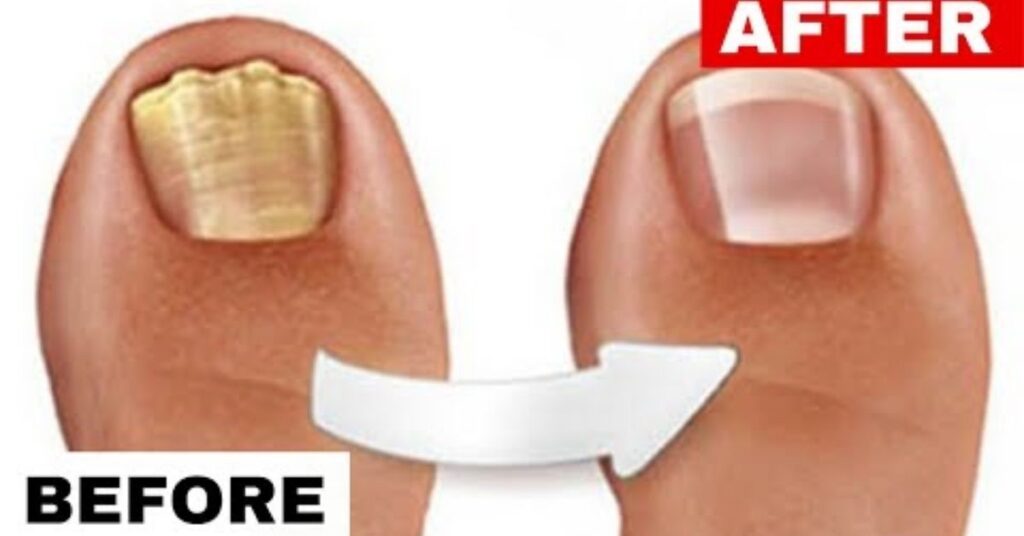
Catching nail fungus early signs makes everything easier treatment is faster, cheaper, and far more effective. In the earliest stage, you’ll notice a tiny white spot on toenail surfaces or a faint yellow toenail tinge near the tip. The nail still looks mostly normal. It might seem slightly dull rather than shiny. Most people miss it entirely at this point.
The tricky part is that early fungal nail infection causes no pain at all. There’s no burning, no swelling nothing that forces you to pay attention. That’s exactly why onychomycosis symptoms so often go ignored until the infection is well established. If you notice any unusual color or texture change even a tiny one take it seriously. A quick visit to a dermatologist for nail fungus can confirm it with a simple nail clipping test.
Toenail Fungus vs Nail Injury: How to Tell the Difference
People frequently confuse infected toenail symptoms with bruising or trauma. A subungual hematoma blood pooling under the nail from an impact causes dark purple or black discoloration. Fungal nail discoloration, by contrast, tends to be yellow, white, or brown. Bruising from trauma heals over weeks. Fungal toenail infection slowly worsens without treatment.
Here’s a clear comparison to help you figure out which one you’re looking at:
| Feature | Toenail Fungus | Nail Injury (Trauma) |
| Color | Yellow, white, brown | Dark purple or black |
| Cause | Fungal organisms | Physical impact |
| Smell | Sometimes foul | No odor |
| Spreads? | Yes to other nails | No |
| Heals alone? | No | Usually yes |
| Pain | Mild or none early | Immediate soreness |
When in doubt, don’t guess. A podiatrist for nail fungus can do a nail fungus diagnosis with lab testing in minutes. Getting the right answer early saves months of frustration.
Early Stage Toenail Fungus: Signs You Shouldn’t Ignore
Early-stage toenail fungus infection is genuinely the easiest version to deal with. The fungal organisms haven’t burrowed deep into the nail bed yet. Topical treatments can still reach them. And the nail hasn’t had time to become severely damaged. If there’s one section to read carefully, this is it.
Many people dismiss early symptoms because there’s no discomfort. But nail fungus spreading happens quietly and consistently. By the time it starts hurting, the infection is usually moderate to severe and you’re looking at months of treatment instead of weeks.
Common Early Symptoms of Fungal Nail Infection
Fungal nail infection symptoms at the early stage are subtle but specific. The nail tip may show a small white spot on nails or a faint yellowing. You might notice the edges becoming slightly rough or brittle nails beginning to form. The nail surface can start to look less smooth. There may be very early nail thickening nothing dramatic, but the nail feels slightly harder when you press on it.
Onycholysis the medical term for nail separation from the nail bed can begin even at this stage. It shows up as a small gap between the nail and the skin underneath. No pain yet. But that gap is exactly where fungal spores love to hide and multiply. Catching this early is the entire game.
Why Early Treatment Matters
The longer nail fungus sits untreated, the thicker and harder the nail becomes. That thickness is a physical barrier. Antifungal creams and lacquers simply can’t penetrate deep enough once the infection takes hold. What might have cleared up with an antifungal nail treatment in the early stages may now require oral medication with a longer timeline and more side effects to manage.
For people with diabetic nail fungus, the stakes are even higher. Nail fungus and diabetes is a serious combination because poor circulation and a weakened immune system allow the fungal infection to spread faster and deeper. Nail fungus complications in diabetics can include cellulitis, ulcers, and even bone infection. Nail fungus prevention tips and early treatment aren’t optional for this group they’re essential.
Common Symptoms of Nail Fungus
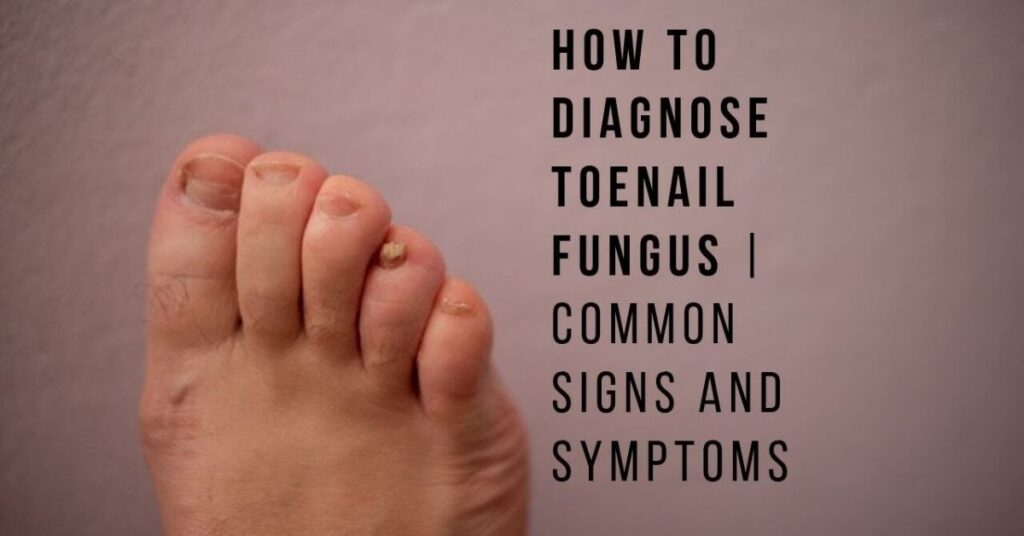
Signs of nail fungus vary depending on how far the infection has progressed. In general, any change in the color, texture, shape, or thickness of a toenail especially without an obvious physical cause should raise a flag. Fungal nail disease doesn’t announce itself dramatically at first. It creeps.
The most common onychomycosis symptoms include nail discoloration (yellow, white, or brown), thickened nails, crumbly nails, and a foul smell caused by subungual debris building up under the nail. Some people also notice the nail starting to misshapen nails as the fungal damage distorts the nail plate. Any or all of these symptoms together point strongly toward a fungal toenail infection.
Thick, Yellow, Brittle, or Crumbling Nails
Thick yellow toenails are the most recognizable sign of nail fungus. The yellow color comes from keratin debris a byproduct of the fungi breaking down the nail’s protein structure. As the fungal infection under nail worsens, nails turn increasingly darker sometimes orange, brown, or even black in severe cases.
Brittle fungal nails tend to crumble at the edges when you try to clip them. The nail may also start to look misshapen curved, wavy, or uneven. In some cases a chalky white powder appears on the nail surface, which points to white superficial onychomycosis. Smelly nails that unpleasant cheesy odor come from bacteria and fungi breaking down dead tissue underneath the nail. This is one of the clearest signs that a nail bed infection has developed.
Signs Your Toenail Fungus Is Getting Worse
Knowing when severe nail fungus is developing helps you act before things get out of hand. A worsening fungal toenail infection will show increasingly dark nail discoloration the nail shifts from yellow to brown or black. The nail lifts further from the nail bed. Nail crumbling becomes significant sometimes the nail breaks off in chunks.
Pain starts entering the picture at this stage. Wearing shoes becomes uncomfortable. The skin around the infected nail bed may turn red or swollen. If you see any pus, extreme warmth, or the redness spreading beyond the nail that’s a secondary bacterial infection layered on top of the fungal nail disease, and you need a doctor immediately. Don’t wait.
What Causes Toe Nail Fungus?
Nail fungus causes all trace back to microscopic fungal organisms that thrive in specific conditions. The main culprit is a dermatophyte infection most commonly caused by Trichophyton rubrum. These fungi feed on keratin, the protein that makes up your nails and skin. Once they find an entry point a tiny crack in the nail or skin they set up shop and start multiplying.
Fingernail fungus causes and toenail fungus share the same organisms but toenails are far more vulnerable. They stay warm and moist inside shoes for hours. Nail growth is slower, so infections persist longer. And toenails experience more physical trauma all factors that invite fungal growth. Athlete’s foot and nail fungus are closely linked the same fungal skin infection that causes itchy skin between your toes can migrate right into the nail.
How Fungus Spreads in Gyms, Pools, and Nail Salons
Public shower fungus and locker room fungus are real risks. When someone with foot fungus walks barefoot on a shared surface, they leave behind fungal spores that can survive for days. The next barefoot person who walks through picks them up. It’s that simple. Fungal contamination in public pools, hot tubs, and gym showers is extremely common and very easy to pick up.
Nail salons present a different kind of risk. Fungal infection from pedicure happens when nail tools clippers, files, cuticle pushers aren’t properly sterilized between clients. A reputable salon sterilizes tools in an autoclave or uses disposable implements. Always ask before sitting down. Sharing nail tools, towels, or even shoes with someone who has a nail disease is another direct path to infection.
Risk Factors That Increase Your Chances of Infection
Some people are simply more likely to develop a fungal toenail infection than others. Understanding nail fungus risk factors helps you stay a step ahead.
Read More About: 55 Summer French Tip Nail Designs That Feel Fresh, Chic, and Trendy in 2026
| Risk Factor | Why It Increases Risk |
| Older age | Slower nail growth, reduced circulation |
| Diabetes | Weakened immune system, poor blood flow |
| Hyperhidrosis (excessive sweating) | Sweaty feet create ideal moist shoes environment |
| Peripheral vascular disease | Reduced blood flow to the feet |
| Psoriasis | Already-damaged nail structure |
| Weakened immune system | Body can’t fight fungal spread effectively |
| Athlete’s foot history | Existing fungal skin infection near nails |
| Tight or non-breathable footwear | Traps moisture, heat |
| Walking barefoot in public | Exposure to fungal spores |
Nail fungus in adults over 60 is significantly more common than in younger people largely due to slower circulation and nail growth. Nail fungus and diabetes is an especially important combination to understand, because the consequences of ignoring it are far more serious.
How to Get Rid of Nail Fungus
How to get rid of nail fungus is the question everyone with this condition wants answered. The honest answer is: there’s no single magic fix. But there are highly effective options and choosing the right one depends on how severe your infection is, your overall health, and how consistent you can be with treatment. The good news? Toenail fungus treatment has improved significantly over the past decade.
The key principle with any antifungal nail treatment is consistency. Nail fungus doesn’t respond to occasional treatment. It requires daily, committed application sometimes for many months. Stopping early is the number one reason people deal with nail fungus recurrence the infection comes right back because it was never fully cleared.
Best Ways to Treat Toenail Fungus at Home
Nail fungus home remedies and over-the-counter options work well for mild to early-stage infections. Antifungal cream applied daily to clean, dry nails especially around the nail edges can slow and eventually stop a mild fungal infection in toenails. The key is nail preparation: trim the nail short, file down any thick surface, and apply the product so it gets as close to the infected nail bed as possible.
Antifungal nail lacquers like ciclopirox are a step up from standard creams. You brush them on like nail polish and they form a film that slowly releases antifungal medication into the nail. They work best on mild infections and require months of consistent use. Antifungal powder inside your shoes daily is a smart add-on it reduces the moist, warm environment that lets fungal growth continue. Tea tree oil for nail fungus is a popular natural option with genuine antifungal properties more on that in the natural remedies section.
Prescription Treatments That Actually Work
For moderate to severe chronic fungal nail infection, prescription treatments are the most effective route. Oral antifungal medication particularly terbinafine (Lamisil) and itraconazole (Sporanox) works from the inside out. The medication travels through your bloodstream and reaches the nail bed directly, which is something topical products struggle to do.
Terbinafine has the highest cure rate of any nail fungus medication studies show roughly 70–80% effectiveness. A typical course runs 6–12 weeks for toenails. Itraconazole is often given in “pulse doses” one week on, three weeks off which reduces side effect risk. Prescription topicals like efinaconazole (Jublia) and tavaborole (Kerydin) are newer options that penetrate the nail plate more effectively than older OTC formulas. A dermatologist nail fungus treatment plan will factor in your health history before recommending the right medication.
Laser Treatment for Toenail Fungus: Is It Worth It?
Laser treatment toenail fungus has gained popularity as a non-drug option. The procedure uses focused light energy typically an Nd:YAG laser to heat and destroy fungal organisms inside the nail without damaging surrounding tissue. It’s FDA-cleared, largely painless, and requires no recovery time.
The honest verdict? Results are promising but inconsistent. Studies show improvement in many patients but cure rates haven’t consistently beaten oral antifungals in head-to-head comparisons. Cost is a real barrier sessions run $500–$1,500 and insurance rarely covers it. For people who can’t tolerate oral antifungals due to liver concerns or drug interactions, laser is a legitimate alternative worth discussing with a specialist. Don’t expect miracles but don’t dismiss it either.
What Kills Toenail Fungus Instantly?
Here’s the hard truth: nothing kills toenail fungus instantly. The internet is full of claims about overnight cures, miracle soaks, and magic drops. Most of them are exaggerated at best and outright false at worst. Fungal toenail care requires patience. The nail must physically grow out healthy and toenails grow about 1–2mm per month. That math alone tells you why toenail fungus medicine takes months, not days.
That said, some treatments work faster than others. Oral antifungals clear the fungal infection in feet faster than topicals. Starting treatment earlier means less nail to regrow. And combining treatments say, an oral medication with a daily antifungal nail treatment topical may speed results. But “instantly”? That’s marketing, not medicine.
Do Hydrogen Peroxide, Vinegar, or Bleach Work?
These are among the most Googled nail fungus home remedies in the USA. Here’s what the evidence actually says:
| Remedy | Antifungal Effect? | Evidence | Safety |
| Apple cider vinegar | Mildly acidic may slow growth | Anecdotal only | Safe if diluted |
| Hydrogen peroxide | Weak antifungal on surface | Very limited studies | Can irritate skin |
| Bleach foot soak | Kills surface fungus only | Minimal evidence | High irritation risk |
| Vicks VapoRub | Thymol has antifungal properties | Small positive study | Generally safe |
| Tea tree oil | Genuine antifungal activity | Moderate evidence | Possible skin reaction |
The problem with all of these is penetration. Fungal nail contamination lives under the nail not on the surface. A vinegar soak doesn’t reach it. Neither does hydrogen peroxide. They may help mildly as a supporting strategy alongside real treatment but should never replace antifungal medication for a genuine fungal toenail disease.
Truth About “Instant” Toenail Fungus Cures
If a product promises to cure nail fungus in 24–72 hours, step back. The biology simply doesn’t allow it. Fungal nail damage takes months to develop it can’t reverse overnight. Even the most powerful nail fungus medical treatment takes weeks to show visible improvement because healthy nail must physically replace damaged nail, millimeter by millimeter.
The FTC has taken action against several companies marketing deceptive nail fungus medication products with unsubstantiated cure claims. Red flags include: “guaranteed results,” before/after photos with no timeline, and no mention of active antifungal ingredients. Spend your money on products with proven ingredients ciclopirox, terbinafine, efinaconazole, undecylenic acid rather than mystery blends promising instant results.
Read More About: 67 Best Summer Nail Ideas for 2026: Trendy Designs, Tropical Nails & Vacation Inspo
Fungal Nail Treatment Options Compared
Choosing the best treatment for nail fungus depends on severity, your health history, and how much time and money you can commit. The table below gives you an honest at-a-glance comparison of every major option currently available.
| Treatment Type | Best For | Cure Rate | Timeline | Cost |
| OTC Antifungal Cream | Mild early infection | ~20–30% | 6–12 months | $ |
| OTC Nail Lacquer | Mild to moderate | ~30–40% | 6–12 months | $$ |
| Prescription Topical | Moderate | ~50–55% | 48 weeks | $$$ |
| Oral Terbinafine | Moderate to severe | ~70–80% | 6–12 weeks | $$ |
| Oral Itraconazole | Moderate to severe | ~60–70% | 12 weeks | $$ |
| Laser Treatment | Those avoiding oral meds | ~60–70% | 1–3 sessions | $$$$ |
| Natural Remedies | Very mild / prevention | Variable | 6+ months | $ |
OTC Antifungal Creams, Sprays, and Nail Lacquers
Antifungal products for nails available without a prescription include creams containing clotrimazole, undecylenic acid, and tolnaftate. Brands like Fungi-Nail and Lamisil AT are widely available at US pharmacies. They work but only if the infection is caught early and applied consistently every single day. The most common reason OTC treatment fails isn’t the product it’s the person stopping too soon.
Antifungal cream should go around the nail edges and under the tip, not just on top of the nail. After applying, cover with a clean sock to help absorption. Antifungal powder or spray inside shoes reduces fungal contamination reinfecting the nail. If you’ve used an OTC product faithfully for 3 months with zero improvement, it’s time to escalate to prescription options. Don’t keep throwing money at something that isn’t working.
Oral Antifungal Medications and Side Effects
Nail fungus medication in oral form is the most powerful tool available for fungal toenail infection treatment. Terbinafine side effects are generally mild headache, upset stomach, and taste disturbances are the most common. Rarely, it can affect liver function, which is why your doctor may order a liver function test before and during treatment. This sounds scarier than it is serious liver problems are extremely uncommon.
Itraconazole pulse therapy is another solid option, especially for people who prefer a shorter daily dosing period. Drug interactions are worth checking itraconazole interacts with several common medications. Both drugs are typically covered by US health insurance when prescribed, making them far more accessible than laser treatment. Always finish the full course even if the nail starts looking better stopping early is the main cause of nail fungus recurrence.
Natural Remedies for Toenail Fungus
Nail fungus home remedies have a real place in the treatment conversation just with realistic expectations. Tea tree oil has been studied for its antifungal properties and shows genuine effectiveness against some strains of dermatophyte infection. Apply 100% tea tree oil directly to the nail twice daily using a cotton swab. Results take months but it’s a safe, affordable option for mild cases.
Oregano oil contains thymol, a naturally occurring antifungal compound. Snakeroot extract derived from a plant in the sunflower family actually has a published clinical study showing effectiveness comparable to ciclopirox for fungal nail infection. Coconut oil contains caprylic acid, which disrupts fungal cell membranes. None of these are silver bullets for severe nail fungus but used daily as part of a broader fungal nail care routine, they can genuinely help, especially for mild infections or as maintenance after completing prescription treatment.
How to Know if Toenail Fungus Is Dying
Tracking progress keeps you motivated and helps you spot problems early. The most reliable sign that toenail fungus treatment is working is new nail growth at the base specifically at the lunula (the white half-moon shape at the nail root). That new growth should look clear, smooth, and healthy. It’s growing in to replace the damaged nail.
Other signs the fungal infection in toenails is clearing include reduced nail thickening, less nail discoloration (the yellow fading toward the base), and fewer crumbly nails edges. The nail-skin junction may look healthier. You might notice the nail sitting more firmly against the nail bed less separation. Keep taking monthly photos of your nail from the same angle. Progress is slow and subtle photos make it visible.
Signs Your Treatment Is Working
Fungal toenail care is a long game. Visible improvement can take 2–3 months even with effective oral treatment. Here’s what to look for month by month:
Month 1–2: The infected portion looks the same or slightly worse as the nail begins to lift away naturally. Don’t panic this is normal.
Month 3–4: New clear nail growth appears at the base. This is your green light that treatment is working.
Month 5–6: The clear nail slowly advances toward the tip. The damaged nail gets shorter as you clip it back.
Month 9–12: For many people, the nail looks mostly or completely normal by this point depending on severity.
If you see zero new healthy growth after 3–4 months of treatment, revisit your doctor. The treatment plan may need adjusting or the nail fungus diagnosis may need reconfirming sometimes what looks like a fungal nail infection is actually a different nail condition entirely.
How Long Does Toenail Fungus Take to Go Away?
Managing expectations is crucial here. Even with the most effective toenail fungus medicine, you’re looking at a significant timeline. Toenails grow roughly 1–2mm per month. A full toenail takes 12–18 months to completely replace itself. That means even after the fungal organisms are completely dead what doctors call “mycological cure” the nail still has to grow out looking normal before you’d call it a “clinical cure.”
Fingernail fungus clears faster typically 6–9 months because fingernails grow faster. Age matters too: older adults grow nails more slowly. Severity matters: a deeply embedded chronic fungal nail infection takes longer than one caught early. The single most important thing? Don’t stop treatment just because the nail starts looking better. Continue until your doctor confirms the infection is gone.
Toenail Fungus Pictures by Stage
Visual identification helps you understand where you are in the progression. Since every case looks slightly different, understanding the general visual pattern for each stage helps you make smarter treatment decisions.
Mild, Moderate, and Severe Toenail Fungus Examples
Here’s what each stage of fungal toenail disease typically looks like described clinically so you can compare your own nails:
| Stage | What You See | What It Means | Recommended Action |
| Mild | Small white spot or faint yellow toenail at tip | Fungal nail infection just beginning | OTC antifungal treatment, monitor closely |
| Moderate | Yellow/brown color spreading, thickened nails, slight crumbling | Fungal growth established | Prescription topical or oral medication |
| Severe | Dark brown/black nail discoloration, nail separation, significant nail crumbling, odor | Deep nail bed infection | Doctor visit oral antifungals likely needed |
Mild toenail fungus is easy to miss and easy to treat. Severe onychomycosis is hard to miss and significantly harder to clear. The entire point of recognizing nail fungus early signs is to intervene while you’re still in the “mild” column.
When to See a Doctor for Nail Fungus
Most mild fungal nail infections can be managed at home at first. But there are clear signs that self-treatment isn’t enough and professional help is needed. Knowing when to escalate is part of smart nail care.
Seeing a podiatrist for nail fungus or a dermatologist becomes essential when: home treatment hasn’t worked after 2–3 months, the nail is lifting or falling off, you have diabetic nail fungus or a weakened immune system, or the skin surrounding the nail looks infected. A specialist can do a lab-confirmed nail fungus diagnosis, rule out other nail conditions, and prescribe the most appropriate treatment.
Warning Signs You Shouldn’t Ignore
Infected toenail symptoms that demand immediate medical attention include significant pain when walking, red or swollen skin spreading away from the nail, pus or fluid under the nail, fever alongside foot infection symptoms, or complete nail detachment. These suggest the nail disease has either advanced severely or developed a secondary bacterial infection on top of the fungal one.
People with diabetes and nail fungus should see a doctor at the very first sign of a fungal infection no waiting, no experimenting with home remedies first. Nail fungus around nail bed in a diabetic can escalate to a limb-threatening infection with frightening speed. This isn’t meant to scare it’s meant to make sure the right people get help early enough.
Can Toenail Fungus Become Serious?
For healthy individuals, nail fungus is primarily a cosmetic and comfort issue that becomes increasingly unpleasant without treatment. But for vulnerable populations, nail fungus complications can be genuinely serious. Diabetic foot ulcer risk increases when uncontrolled fungal spread compromises skin integrity around the foot. Cellulitis from nail fungus a bacterial skin infection can spread rapidly and require hospitalization.
In the most severe cases, osteomyelitis (bone infection) can develop in diabetic patients when a nail bed infection goes untreated long enough. Permanent nail damage where the nail matrix is destroyed and the nail never grows back normally is another real consequence of severely neglected onychomycosis. And there’s the often-underestimated psychological impact: many Americans with toenail fungus avoid pools, sandals, and social situations because of embarrassment. That quality-of-life effect is very real.
How to Prevent Toenail Fungus from Coming Back
Toe nail fungus prevention is not complicated but it does require consistent habits. People who’ve successfully treated a fungal nail infection are at higher risk of nail fungus recurrence than people who’ve never had it, because the same risk factors that caused it the first time haven’t changed. Building solid foot hygiene habits is the best insurance against going through this all over again.
Nail fungus prevention tips start with understanding that fungal spores are everywhere. You can’t avoid them completely. What you can do is make your feet and nails a hostile environment for fungal growth by keeping them clean, dry, and protected in high-risk spaces.
Foot Hygiene Habits That Help Prevent Fungus
Wash your feet thoroughly every day not just letting shower water run over them, but actually scrubbing between the toes with soap. Then dry them completely. Fungal toenail infection loves moisture, so damp skin between the toes is an open invitation. Clip nails straight across with clean, sterilized tools. Never share clippers, files, or towels.
Use antifungal powder inside your shoes daily especially in summer or if you have sweaty feet. Treat any athlete’s foot immediately with an antifungal cream before it gets close enough to the nails to spread. Change socks every day. Apply a thin layer of moisturizer to your feet but keep it away from between the toes, where moisture becomes a problem rather than a benefit. These simple nail hygiene habits stack up into powerful protection over time.
Best Shoes and Socks for Preventing Toe Fungus
Foot care extends to your footwear. Shoes made from breathable materials leather, mesh, or open-weave canvas allow moisture to escape instead of building up against your toes. Synthetic materials trap heat and sweat, creating exactly the warm, moist shoes environment that fungal organisms thrive in. Rotate your shoes so each pair has a full day to dry out between wearings.
Moisture-wicking socks made from merino wool or synthetic blends designed for athletic use manage sweat far better than standard cotton socks. Antifungal socks containing silver or copper fibers are available and provide an extra layer of protection for people prone to nail fungus recurrence. Replace old shoes periodically fungal spores can survive inside footwear for extended periods. And make sure your shoes actually fit: cramped toes experience microtrauma that creates entry points for fungal nail infection.
FAQ’s
Is Toenail Fungus Contagious?
Yes, toenail fungus spreads through direct contact and shared surfaces like floors, towels, and nail tools. It passes easily in public showers, gyms, and nail salons. Never share nail clippers or footwear with an infected person.
Can Toenail Fungus Go Away on Its Own?
Rarely the immune system can’t clear a nail infection without help. Untreated fungus almost always worsens and spreads to other nails. Start antifungal treatment as early as possible for the best outcome.
Can I Wear Nail Polish with Toenail Fungus?
It’s not recommended polish traps moisture and blocks antifungal treatments from penetrating the nail. It also hides the nail so you can’t monitor progress. If needed, use a breathable antifungal nail polish and remove it promptly.
Conclusion
Toe nail fungus is one of the most common and most underestimated nail conditions affecting Americans today. It starts quietly a small spot, a slight yellowing and it rarely goes away without help. But here’s the encouraging part: it’s completely treatable. With the right approach, patience, and consistent nail hygiene, a full recovery is absolutely achievable.
Catch it early and an antifungal cream or lacquer may be all you need. Miss it until it’s severe and oral medication becomes necessary but even then, it clears. The key is not waiting. If something looks off about your toenail, take it seriously from day one.
And once you’ve cleared it protect yourself. Build the foot hygiene habits, wear the right footwear, use antifungal powder daily, and stay alert to early signs of nail fungus recurrence. Your feet carry you through everything. They deserve the attention.


