

1A Hair The Complete Guide to Care, Styling, Common Problems & Expert Tips
If you’ve ever wondered why your hair lies perfectly flat no matter what you do you might have 1A hair. It doesn’t bounce. It doesn’t wave. It just sits there, silky and straight, like it’s been ironed since birth. Sound familiar?
What is 1A hair exactly? It’s the straightest, finest hair type on the entire hair typing chart. No curl. No waves. Just clean, smooth strands from root to tip. And while it looks effortlessly sleek, managing it is a whole different story. People with type 1A hair care needs often deal with flatness, oiliness, and products that just weigh their hair down even more.
This guide covers everything from how to identify 1A hair and understand its quirks, to the best products, washing routines, styling tricks, and expert tips that actually work. Whether you’re just discovering your hair type or you’ve been fighting flat hair your whole life, you’re in the right place.
What Is 1A Hair Type? A Complete Guide to Fine, Straight Hair Care & Styling
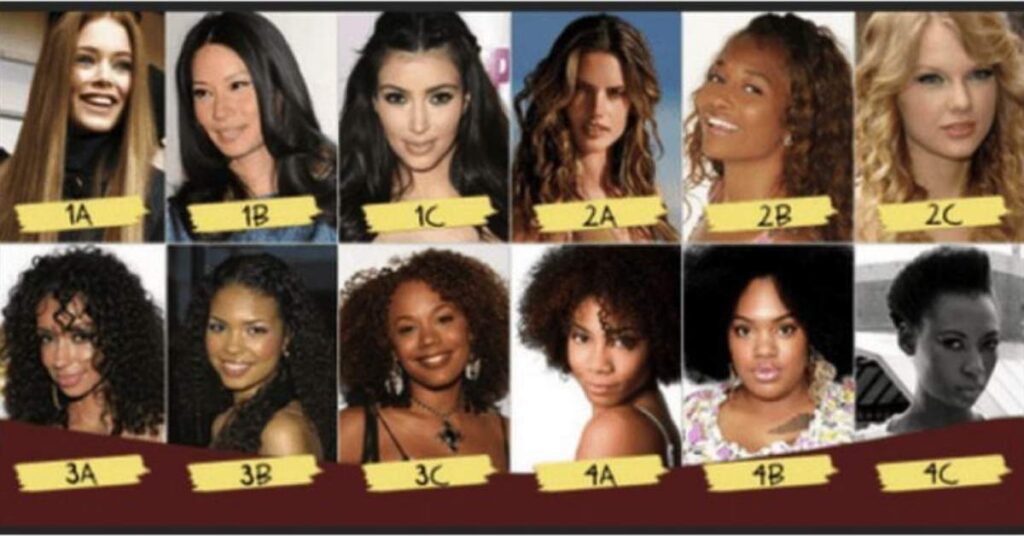
What is 1A hair in simple terms? It’s the first category on the Andre Walker Hair Typing System a scale that runs from 1A (perfectly straight) all the way to 4C (tightly coiled). Hair type 1A characteristics include ultra-fine strands, zero natural wave or curl, and a texture so smooth it almost looks like polished glass.
The hair lies completely flat from scalp to tip with no bend anywhere along the shaft. If you let your fine straight hair air-dry and it dries in a perfectly straight line no kinks, no bends you’re almost certainly a 1A hair type.
The science behind it is interesting. Your hair’s shape comes from the shape of your follicle. Round follicles produce ultra straight hair. The rounder the follicle, the straighter the strand. People with 1A hair type have the most symmetrical, round follicles of all. Their strands are also extremely fine in diameter, which means each strand weighs very little.
That sounds like a good thing and in some ways it is but it also means 1A hair lacks the structure to hold styles, resist gravity, or build volume without help. Sebum (your scalp’s natural oil) travels down silky straight hair very quickly because there’s no wave or texture to slow it down. That’s why oily scalp fine hair is one of the most common complaints among people with this hair type.
| Hair Type | Texture | Wave/Curl Pattern | Common Issues |
| 1A | Ultra-fine, silky | None completely straight | Flat, oily, no volume |
| 1B | Fine to medium | Slight body at ends | Moderate oiliness |
| 1C | Medium to coarse | Slight wave, more texture | Frizz, dryness |
| 2A | Fine, wavy | Loose S-wave | Frizz, inconsistent waves |
What Is the Rarest Hair Type? Understanding Where 1A Hair Fits In
Is 1A hair rare? Honestly yes, somewhat. True 1A hair type is less common than people think. Most people have at least a little wave or texture somewhere in their strands. Completely straight, ultra-fine hair with zero wave from root to tip is actually a minority. Globally, the most common hair types fall in the 1B to 2A range. So if you have ultra straight hair with no texture whatsoever, you’re part of a smaller group than most people realize.
However, is straight hair the rarest hair type overall? Not exactly. On the global scale, very tightly coiled hair types like 4C are statistically rarer. But within the straight hair category, 1A hair type sits at the extreme end. It’s the purest form of straight hair no body, no wave, no texture.
That combination of fineness and complete straightness is what makes it genuinely unique. Understanding this helps you stop fighting your hair and start working with what you’ve got.
Read More About: 1C Hair: What It Is, Key Characteristics, and Expert Tips to Care for It Perfectly
How to Keep 1A Hair Healthy
How to care for 1A hair starts with one core principle handle it gently and keep it clean without stripping it. Fine straight hair is fragile. The strands are thin, which means they break more easily than thicker hair types. Rough towel drying, aggressive brushing, and heavy products all cause damage that’s harder to reverse on thin hair type. A solid foundation of scalp health matters enormously here.
When your scalp is balanced not too oily, not too dry your 1A hair grows stronger and looks better overall. Diet plays a role too. Biotin, zinc, iron, and omega-3 fatty acids all support hair care for thin hair. Drinking enough water keeps strands hydrated from the inside out. It’s not glamorous advice, but it works.
Beyond diet, your daily habits shape your straight hair maintenance more than any product can. Sleep on a silk pillowcase it creates less friction than cotton, which means less breakage overnight. Avoid hairstyles that pull tightly on your roots high ponytails worn every day create tension that weakens fine straight hair over time. Let your hair down when you’re at home. Give your strands a break.
And always always use a heat protectant before any hot tool touches your hair. Expert tips for fine hair care consistently point to heat damage as one of the leading causes of breakage in 1A hair type, simply because the strands are so fine they can’t withstand the same temperatures as thicker hair types.
The Ultimate Detangler Brush
The wrong brush on 1A hair is a fast track to breakage. Because the strands are so fine, aggressive detangling tears them apart. The right detangler brush has flexible bristles that bend rather than pull, wide spacing that glides through hair without snagging, and a comfortable handle that gives you control. For how to care for 1A hair properly, detangling should always start from the ends and work upward never root to tip. This prevents snapping fragile strands.
| Feature | What to Look For | Why It Matters |
| Bristle flexibility | Soft, bendable bristles | Prevents breakage on fine strands |
| Tooth spacing | Wide-spaced | Glides without pulling |
| Size | Medium paddle | Covers more surface with less effort |
| Material | Mixed nylon/boar | Smooths and detangles simultaneously |
Mason Pearson Bristle and Nylon Brush
The Mason Pearson Bristle and Nylon Brush is a cult favorite among people with silky straight hair and for good reason. It combines boar bristles with nylon pins. The boar bristles distribute your scalp’s natural oils down the hair shaft, which actually reduces the greasy-at-roots, dry-at-ends problem that many 1A hair type owners experience. The nylon pins help detangle without pulling. Yes, it’s expensive. But for fine straight hair, it’s one of the few brushes that genuinely delivers on its promises. Think of it as a long-term investment in your hair’s health rather than a splurge.
The Hair Edit Gold Finish & Shine Boar Bristle Brush
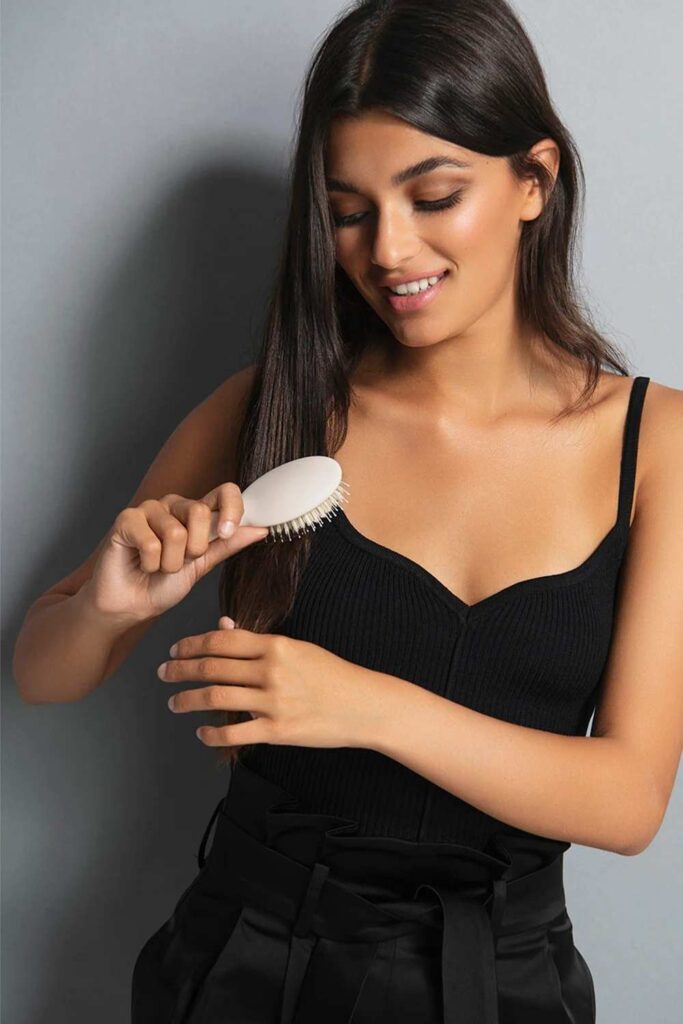
If the Mason Pearson price tag makes you wince, The Hair Edit Gold Finish & Shine Boar Bristle Brush is a brilliant alternative. It delivers similar boar bristle benefits, shine, smoothness, and natural oil distribution at a much friendlier price point. It’s specifically designed to add gloss and sleekness to straight hair types, making it a great daily driver for 1A hair maintenance. It also doubles as a light scalp stimulator, which encourages blood flow and supports hair growth over time. For anyone building a straight hair routine, this brush belongs on the shelf.
Fekkai Full Blown Volume Dry Texturizing Spray
Volume is the holy grail for anyone with flat hair problems. The Fekkai Full Blown Volume Dry Texturizing Spray tackles that head-on without weighing fine straight hair down. Spray it at the roots, scrunch lightly, and you get genuine lift that lasts. What makes it work for 1A hair type specifically is its lightweight formula it adds texture and grip without leaving residue or making hair feel stiff. Apply it to dry hair between washes for a quick refresh. It’s one of the most recommended lightweight hair products for anyone dealing with how to add volume to fine hair day after day.
Olaplex Volumizing Blow Dry Mist
The Olaplex Volumizing Blow Dry Mist is genuinely impressive for thin hair type owners. It does two things at once rebuilds broken hair bonds damaged by heat and styling, while simultaneously adding volume to fine straight hair. Spray it on damp hair before blow-drying and the difference is noticeable. Your roots lift. Your ends look fuller. And your hair feels stronger over time with consistent use. For anyone who heat styles regularly, this mist is close to essential. It’s one of those best products for fine hair that actually lives up to the hype.
Tips for Washing 1A Hair
How often to wash 1A hair is one of the most debated questions in the fine hair washing routine world. Wash too often and you strip your scalp, triggering even more oil production. Wash too rarely and you get buildup that flattens your already-fine strands. The sweet spot for most people with 1A hair type is every two to three days.
That said, it depends on your activity level, climate, and scalp type. If you exercise daily or live somewhere humid, you might need to wash more often. If your scalp runs dry, stretching to three days works better.
Technique matters just as much as frequency. Use lukewarm water hot water overstimulates oil glands and makes oily scalp fine hair worse. Focus the shampoo on your scalp, not your lengths. Work it in with your fingertips in circular motions this stimulates circulation and loosens buildup without abrasion. Conditioner goes on your ends only.
Roots don’t need conditioning and adding it there makes 1A hair look greasy within hours. Finish with a quick cool water rinse. It seals the hair cuticle, adds shine, and helps silky straight hair stay smooth longer. These small steps make a significant difference in your overall straight hair maintenance results.
Get the Daily Beauty Blast Newsletter
Want the best fine hair tips, product drops, and expert advice landing in your inbox every day? The Daily Beauty Blast Newsletter delivers exactly that. From 1A hair type routines to the latest in lightweight haircare tips, it’s the shortcut to staying ahead of the curve. Sign up and never miss a tip designed specifically for your hair.
Fine Hair Shampoo
Choosing the right shampoo for 1A hair type is non-negotiable. You need something that cleanses thoroughly especially at the scalp without leaving any residue that flattens your strands. The best shampoo for 1A hair is typically sulfate-free or uses gentle cleansing agents that remove oil without stripping moisture entirely. Look for formulas labeled “volumizing,” “clarifying,” or “weightless.” Avoid shampoos designed for dry, coarse, or curly hair they contain heavy emollients that ultra straight hair simply cannot handle without going limp.
| Shampoo Type | Best For | Key Ingredients to Look For |
| Clarifying | Buildup-prone scalp | Salicylic acid, citric acid |
| Volumizing | Flat, fine hair | Panthenol, biotin, rice protein |
| Sulfate-free | Sensitive scalp | Coco-glucoside, decyl glucoside |
| Balancing | Oily roots, dry ends | Niacinamide, green tea extract |
Volumize Shampoo
A volumizing shampoo specifically engineered for fine straight hair does something clever it coats each strand with lightweight proteins that plump it up without adding weight. Ingredients like panthenol, hydrolyzed wheat protein, and biotin are your best friends here. They strengthen the hair shaft and create the impression of more density. Volume for fine hair starts in the shower, not with styling products.
Steer clear of shampoos with heavy silicones (like dimethicone) listed high on the ingredient list they smooth hair at first but build up over time and make 1A hair impossibly flat. Using a volumizing shampoo three to four times a week, alternating with a clarifying formula every week or two, keeps oily scalp fine hair balanced and fresh.
T.L.C. Happi Scalp Scrub
If your 1A hair looks flat even right after washing, scalp buildup is likely the culprit. The T.L.C. Happi Scalp Scrub is a physical and chemical exfoliant for the scalp — it removes dead skin cells, product residue, and excess sebum that regular shampoo misses. A clean scalp means your hair follicles aren’t clogged, your roots sit up instead of lying flat, and your fine hair washing routine products actually penetrate and work properly.
Use it once a week before shampooing. Section your dry or damp hair, apply the scrub directly to your scalp, massage in circular motions for two to three minutes, then rinse thoroughly before shampooing as normal. It’s a simple step that delivers a noticeable difference in volume and scalp freshness. It’s also one of the most underrated greasy hair solutions for people with 1A hair type.
Read More About: Best Haircuts for Men in 2026: 40 Stylish Hairstyles Every Guy Should Try
Tips for Styling 1A Hair
How to style 1A hair without it falling flat within an hour takes some strategy. The key is building structure before you even pick up a styling tool. Start with a volumizing mousse or lightweight root-lifting spray on damp hair. Flip your head upside down when blow-drying this physically lifts the roots away from your scalp and creates volume that lasts. Use a round brush while blow-drying to add bend at the roots and movement at the ends. Keep the dryer moving staying in one spot too long on thin hair type causes heat damage fast. Once your hair is dry, a quick blast of cool air sets the style and adds shine.
Hairstyles for straight fine hair that work brilliantly include sleek blowouts, soft ponytails with a little lift at the crown, half-up half-down styles, and the ever-reliable blunt bob for fine hair. The blunt bob is particularly flattering because the clean, even cut creates the optical illusion of thickness and weight.
Haircut ideas for 1A hair should always prioritize shape over length too much length on fine straight hair just pulls it flatter. Layers can add movement but need to be done carefully too many layers and you lose what little density you have. When heat styling is necessary, always apply a heat protectant first and keep your tools under 350°F. For those who prefer no-heat styling, braiding damp hair overnight creates soft, subtle bends that give ultra straight hair a little life without any heat damage.
Get the Daily Beauty Blast Newsletter
You’re doing great. Keep the momentum going subscribe to the Daily Beauty Blast Newsletter for weekly 1A hair type styling guides, editor-tested product recommendations, and exclusive early access to beauty drops. It takes five seconds and it’s completely free.
Challenges for People With 1A Hair
Problems with 1A hair are real and frustrating but you’re definitely not alone in dealing with them. The biggest challenge is oiliness. Because silky straight hair has no texture to slow sebum’s journey from scalp to tip, oil travels fast. By midday your roots can look greasy even if you washed that morning.
Add in the flatness problem 1A hair has no natural volume, no body, no lift and you’ve got a hair type that requires a very intentional routine to look its best. Static is another underrated issue. Fine strands carry electric charge more easily than coarser hair, which means flyaways and frizz from static are regular annoyances, especially in dry climates. Flat hair problems also extend to holding styles 1A hair simply doesn’t grip. Curls fall out within an hour. Braids look limp. Updos need serious product support to stay put.
The emotional side of tips for managing fine straight hair is worth acknowledging too. Many people feel self-conscious about their hair looking flat or greasy even when it’s been freshly washed. That’s a very common experience among 1A hair type owners and it’s completely valid. The good news is that once you understand how to care for 1A hair, the challenges become much more manageable.
You’re not fighting against your hair anymore you’re working with its natural behavior. Think of it like learning to drive a sports car. It handles differently than an SUV. But once you understand how it works, it’s actually a pleasure. How to prevent flat hair starts with the right routine, and that’s exactly what the next sections address.
How Do You Take Care of 1A Hair?
How to care for 1A hair isn’t complicated it just requires consistency and the right approach. The best routine for 1A hair is built on four core pillars: gentle cleansing, minimal heat, smart product application, and regular trims. Get these four things right and your fine straight hair will look its absolute best. Each pillar plays a specific role, and skipping any one of them makes the others less effective.
Tips for managing fine straight hair from professional stylists consistently emphasize simplicity over complexity. More products don’t mean better results for 1A hair type. In fact, using too many products is one of the most common mistakes. Every extra product adds weight to already-fine strands. The goal is targeted care use fewer products, but choose them carefully and apply them correctly.
Use Mild Shampoo and Conditioner Every 2–3 Days
The fine hair washing routine for 1A hair type should center on mild, pH-balanced formulas. A mild shampoo lifts oil and buildup without stripping your scalp’s natural moisture barrier. When you strip the scalp too aggressively, it overcompensates by producing even more oil making why is 1A hair oily an even bigger problem. Washing every two to three days gives your scalp time to regulate naturally.
For conditioner, go lightweight and apply only from mid-shaft to ends. Heavy conditioners on the roots of thin hair type create instant grease and flatness. Look for conditioners labeled “weightless,” “fine hair,” or “volumizing” they deliver moisture without the heaviness that collapses 1A hair.
Minimise Heat Styling
Heat is 1A hair’s biggest enemy. Because the strands are so fine, they reach damaging temperatures faster than thicker hair types. Regular heat styling without protection leads to split ends, breakage, and a rough texture that makes silky straight hair look dull and frizzy. Lightweight haircare tips from professional stylists always include cutting back on heat tools wherever possible. Air-dry when you have time.
Embrace your hair’s natural texture on low-key days. When you do use heat tools, always without exception apply a heat protectant spray or mist first. Keep flat irons and curling wands below 350°F for fine straight hair. Higher temperatures simply aren’t necessary and cause damage that takes months to grow out.
Use the Right Products in the Right Way
Even the best products for fine hair won’t work if you apply them wrong. For 1A hair type, product application is everything. Always apply products to damp not soaking wet hair. Soaking wet hair dilutes products and prevents proper absorption. Apply volumizing mousse or root spray directly to your roots first, then work downward.
Keep heavy creams and thick serums away from your roots entirely they’re for your ends only, and even then, use them sparingly. The “less is more” rule is non-negotiable for straight hair maintenance. Start with a pea-sized amount of any product, see how your hair responds, then add slightly more if needed. It’s always easier to add than to remove products from flat hair problems-prone strands.
A quick “Do This, Not That” approach helps:
Do this: Apply mousse to damp roots, blow-dry upside down, finish with a light texturizing spray.
Not that: Apply thick serum all over wet hair, air-dry flat, wonder why there’s no volume.
Schedule Regular Trims
Haircut ideas for 1A hair always include one universal recommendation trim regularly. Every six to eight weeks keeps split ends from traveling up the hair shaft. On fine straight hair, split ends are particularly visible because the strands are so smooth and fine that damage shows clearly. A regular trim also keeps your haircut shape fresh. And shape matters enormously for 1A hair type. A well-executed blunt bob for fine hair or a precise long layer cut creates the optical illusion of thickness that makes fine hair look intentionally styled rather than just flat. Talk to your stylist about cuts that suit your face shape and lifestyle the right cut is the foundation of every great straight hair routine.
Best Products for 1A Hair
Best products for fine hair share one quality they’re all lightweight. That’s the non-negotiable for 1A hair type. Anything heavy thick creams, rich oils, moisturizing masks designed for curly hair will flatten your strands within minutes. The best routine for 1A hair uses products from specific categories: a volumizing or clarifying shampoo, a lightweight conditioner, a root-lifting spray or mousse, a dry shampoo for between washes, a heat protectant, and an occasional scalp treatment. That’s it. Six products maximum. Anything more and you’re adding unnecessary weight to hair that really can’t handle it.
When shopping for lightweight hair products, read ingredient lists. Avoid heavy silicones, mineral oils, and shea butter in formulas for your roots or lengths. These are brilliant ingredients for coarser hair types but a death sentence for 1A hair volume. Instead, look for rice protein, panthenol, biotin, glycerin, and lightweight plant oils like argan or jojoba in small amounts.
| Product Category | Recommended Option | Key Benefit |
| Volumizing Shampoo | Fekkai Full Blown Shampoo | Lifts roots, removes buildup |
| Lightweight Conditioner | Olaplex No. 5 Bond Maintenance | Strengthens without weighing down |
| Dry Texturizing Spray | Fekkai Full Blown Volume Spray | Instant texture and volume |
| Blow Dry Mist | Olaplex Volumizing Blow Dry Mist | Heat protection + volume |
| Scalp Scrub | T.L.C. Happi Scalp Scrub | Removes buildup, boosts root lift |
| Styling Brush | Mason Pearson Bristle & Nylon | Distributes oils, adds shine |
Is Hair Loss Common With 1A Hair?
Here’s a truth many 1A hair type owners need to hear normal shedding looks much more dramatic on fine hair than on thick hair. The average person loses 50 to 100 strands per day. On thin hair type, those strands are so light and fine they collect visibly in your shower drain, on your pillow, and in your brush making it feel like you’re losing far more than you actually are. This causes a lot of unnecessary panic.
Before assuming you have hair loss, check whether your overall density has actually changed. Take a photo of your scalp every few months. If your part looks the same width and your ponytail is the same thickness, you’re likely just experiencing normal shedding.
That said, hair care for thin hair should include awareness of the genuine risk factors for hair loss. Over-washing, excessive heat, tight hairstyles, crash dieting, hormonal changes, and high stress are all legitimate triggers. Nutritional deficiencies particularly iron and ferritin are especially common causes of hair thinning in women.
If you’re genuinely concerned, see a dermatologist or trichologist rather than self-diagnosing. Scalp serums containing ingredients like rosemary oil (scientifically shown to support hair density in some studies) and caffeine can support hair growth as part of your straight hair maintenance routine. Minoxidil remains the most clinically proven topical treatment for hair loss and is worth discussing with a doctor if shedding is significant.
1B Hair: What Is It and How Do I Care for It?
1B hair is the neighbor of 1A hair type on the hair texture types chart and the difference, while subtle, matters. 1B hair is still straight, but it has slightly more body and a hint of natural movement at the ends. The strands are a little thicker in diameter than 1A hair, which means they hold styles a bit better and don’t go limp quite as fast.
If your hair is straight all the way down but has just a little curve or flip at the ends when it air-dries, you’re likely 1B rather than 1A. 1A vs 1B hair comparison is one of the most common questions in the straight hair types guide world and the answer really comes down to that subtle end movement and strand diameter.
Caring for 1B hair follows a similar framework to 1A hair type lightweight products, volumizing shampoos, and minimal heat but with a bit more flexibility. 1B hair can handle slightly richer conditioners without going completely flat. It responds well to texturizing products and can hold a soft wave or loose blowout longer than 1A hair.
Straight hair maintenance for 1B hair also benefits from the same scalp-care principles keeping the roots clean, avoiding heavy product buildup, and trimming regularly. The difference between 1A 1B and 1C hair is subtle enough that many people misidentify their type, which is why understanding the hair type comparison is genuinely useful for building the right routine.
1C Hair: What Is It and How Do I Care for It?
1C hair sits at the end of the straight hair spectrum it’s still straight, but it’s thicker, coarser, and has a subtle natural wave that appears, especially in humidity. It’s the most textured of the straight hair types and the most prone to frizz. Many people with 1C hair think they have 2A wavy hair because the wave is more noticeable than in 1B hair.
The key difference is that 1C hair still dries mostly straight the wave is mild and inconsistent, appearing mainly in sections rather than all over. It has more natural volume than 1A hair type or 1B hair, which sounds like a dream for anyone dealing with flat hair problems but it comes with its own challenges around frizz control and consistency.
1C hair care is more forgiving than 1A hair in terms of products. It can handle anti-frizz creams, light oils, and moisturizing conditioners without going completely limp. It also holds heat-styled curls and waves better than either 1A or 1B hair.
The straight hair types guide consistently positions 1C hair as the bridge between straight and wavy giving it the most versatile styling options of the three. For hair type comparison purposes, the easiest way to identify 1C hair is that it dries straight but feels coarser to the touch than silky straight hair and tends to have noticeable frizz around the crown or hairline in humid conditions.
Customize Products for Type 1 Hair
The straight hair types guide makes one thing very clear type 1 hair is not a monolith. Your 1A hair type, 1B hair, or 1C hair each needs a slightly different approach. And even within those subtypes, individual factors like scalp oiliness, hair density, lifestyle, and environment all affect which best products for fine hair work for you specifically. Customizing your routine isn’t about being complicated it’s about being precise.
A product that works brilliantly for your friend with 1B hair might make your 1A hair type look like a greasy pancake. That’s not the product’s fault and it’s not your fault. It’s just science.
The most practical approach to building a personalized straight hair routine is to start minimal and add strategically. Begin with just a volumizing shampoo, a lightweight conditioner, and a heat protectant. Use them consistently for two to three weeks. Then assess is your scalp still getting oily quickly?
Add a dry texturizing spray or dry shampoo to your between-wash days. Is your hair breaking easily? Introduce a bond-building treatment like the Olaplex mist. Are your styles falling flat by noon? Add a root-lifting spray to your damp-hair routine. Also consider seasonal adjustments 1A hair tends to get oilier in summer humidity and drier in winter cold, so your fine hair washing routine may need tweaking as the seasons change.
FAQ’s
What Is 1A Hair?
1A hair is the straightest, finest hair type on the hair typing chart. It has zero wave, zero curl, and lies completely flat from root to tip. It’s silky, smooth, and gets oily faster than any other hair type.
What Does 1A Hair Look Like, and How Do I Know I Have It?
1A hair looks perfectly straight, shiny, and flat with no bends or waves anywhere. Let your hair air-dry naturally if it dries in a completely straight line, you likely have it. Oily roots by the next day after washing is another strong sign.
How Should Men Style 1A Hair?
Men with 1A hair should work with its natural sleekness using lightweight products like matte clay or light pomade. Textured crops, side parts, undercuts, and slick-back styles all suit fine straight hair beautifully. Sea salt spray adds grit and texture for a more casual, effortless look.
Should I Use Hair Oil for 1B Hair?
Yes but use only a few drops of lightweight oil like argan or jojoba, applied to ends only. Never apply oil to your roots as it flattens fine hair instantly. Heavy oils like castor or coconut oil are too dense and should be avoided entirely.
Conclusion
1A hair type is genuinely beautiful, sleek, smooth, and effortlessly polished when it’s healthy and well cared for. Yes, it comes with its challenges. Flat hair problems, oiliness, difficulty holding styles, and breakage are all real. But none of them are insurmountable. Understanding what is 1A hair and how it behaves is the first step toward a routine that actually works.
The core message of this entire guide is simple work with your hair, not against it. Choose lightweight hair products designed for fine straight hair. Wash every two to three days with a volumizing or clarifying shampoo. Minimize heat. Protect what you’ve got with regular trims and gentle handling. And invest in a few key tools a good boar bristle brush, a reliable heat protectant, and a great dry texturizing spray that make the everyday management of 1A hair much easier.
Your hair doesn’t need to be thick or curly to be stunning. 1A hair at its best is glossy, smooth, and sophisticated. With the right routine, the right products, and the expert tips in this guide, that’s exactly what yours can be every single day.


