

90+ Red Hair Best Shades, Types & How to Choose the Perfect Color
Red hair turns heads. It always has. Whether you’re born with it or you’re thinking about dyeing it, red hair colors carry a kind of magic that no other shade quite matches. From soft, sun-kissed strawberry blonde hair to deep, dramatic burgundy hair color the world of red is vast, exciting, and honestly a little overwhelming if you don’t know where to start.
That’s exactly why this guide exists. You’ll find every shade, every type, and every tip you need to find your perfect red. Think of it as your personal red hair color chart one that covers light, medium, dark, bright, and everything in between. Whether you want something subtle or something that stops traffic, there’s a red waiting for you.
Shades of Red Hair: Complete Guide to Every Tone
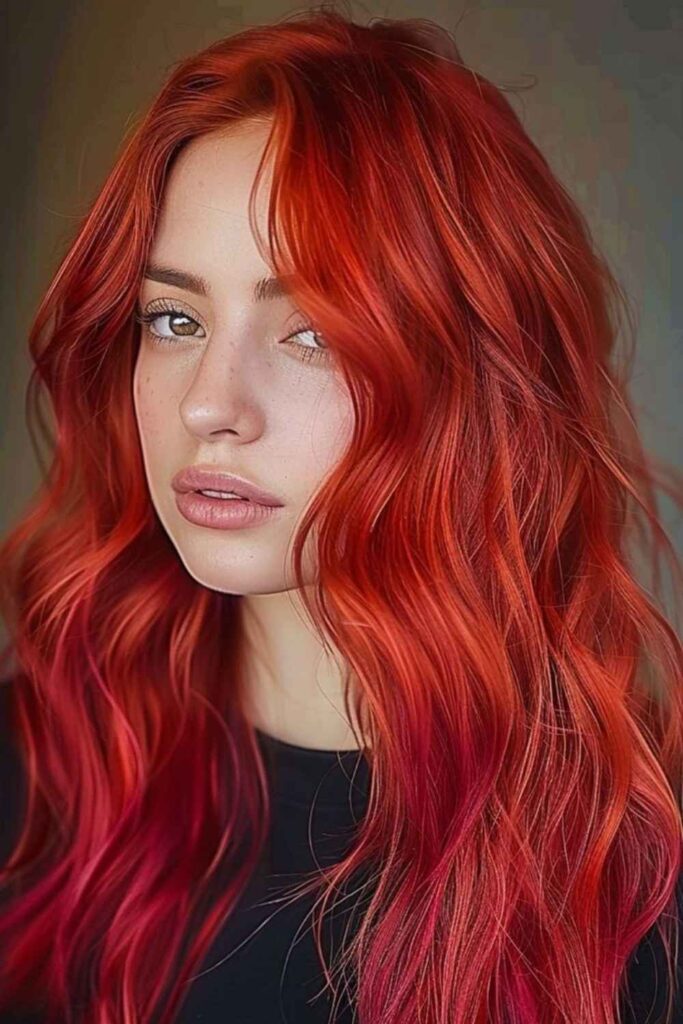
Here’s something most people don’t realize. “Red hair” isn’t one color. It’s an entire universe of tones, depths, and undertones. When colorists talk about different shades of red hair, they’re referencing a spectrum that runs from palest blush-copper all the way to near-black cherry. Each shade behaves differently on different hair types and skin tones which is why picking randomly rarely works out the way you hope.
Understanding the red hair color chart is the smartest first step you can take. It saves you money, protects your hair, and gets you the result you actually want. Broadly speaking, red shades fall into five families: light reds, medium reds, dark reds, bright reds, and natural reds. Each family has its own personality, its own maintenance level, and its own best-suited skin tone. The table below gives you a clean overview before diving deeper.
| Shade Family | Key Examples | Skin Tones That Love It | Maintenance Level |
| Light Reds | Strawberry blonde, copper, peachy red | Fair to light | Medium |
| Medium Reds | Auburn, cinnamon, copper brown | Medium to olive | Low–Medium |
| Dark Reds | Burgundy, mahogany, black cherry | All skin tones | Low |
| Bright Reds | Cherry red, fire engine, scarlet | All skin tones | High |
| Natural Reds | Ginger, titian, russet | Fair to medium | Low (if natural) |
Light Shades of Red Hair (Strawberry Blonde, Copper, Peachy Red)
Strawberry blonde hair is where red meets blonde in the most delicate, dreamy way possible. It’s soft. It’s sun-lit. It looks like someone took a warm afternoon and turned it into a hair color. This shade works beautifully on fair skin with blue or green eyes the contrast is soft enough to look completely natural. Isla Fisher and Amanda Seyfried have both rocked versions of this shade. If you’re nervous about going full red, strawberry blonde hair is the gentlest entry point on the entire spectrum.
Copper hair color is a different story bolder, warmer, and absolutely stunning. Think of polished pennies, autumn leaves, and warm firelight all at once. Copper sits right in the middle of red and orange but never fully commits to either. That balance is exactly what makes it so universally flattering. It’s one of the most popular warm red hair shades in American salons right now. Peachy red hair rounds out this family as the trendy, youthful option a blushy mix of coral and red that feels fresh every single season.
Key Light Red Shades at a Glance:
| Shade | Tone | Best Eye Color | Celebrity Match |
| Strawberry Blonde | Warm | Blue, green | Isla Fisher |
| Copper | Warm | Brown, hazel | Julianne Moore |
| Peachy Red | Warm-neutral | All | Bella Thorne |
Medium Red Hair Shades (Auburn, Cinnamon, Copper Brown)
Auburn hair color is the classic. It’s the shade your grandmother called “chestnut red” and the one that appears in Renaissance paintings. Auburn lives in that perfect middle ground between brown and red rich enough to be dramatic but grounded enough to look completely natural. It’s one of the best professional red hair shades because it reads polished in any setting. Emma Stone made a generation fall in love with this shade, and it hasn’t lost a single ounce of its appeal since.
Cinnamon hair brings warmth and spice quite literally. It’s a medium red with golden undertones that catch sunlight in the most flattering way. This is one of the top picks for red hair for medium skin tone and red hair for olive skin tone because the warm golden base harmonizes with yellow and green undertones in the skin. Copper brown hair offers a more grounded alternative. It’s earthy, rich, and perfect for someone who wants subtle red hair color without the full plunge into vivid territory. If you’re new to red hair colors, auburn or cinnamon is the ideal starting point.
Dark Red Hair Shades (Burgundy, Mahogany, Black Cherry)
Burgundy hair color is having a serious moment. This deep, wine-toned red dominates every fall and winter trend board and for good reason. It flatters nearly every skin tone, photographs beautifully, and gives off an energy that’s equal parts elegant and edgy. It’s one of the most searched bold hair color trends in the United States, and salon waitlists for this shade tend to fill up fast come October. Think of it as the little black dress of the red hair shades world it just works.
Mahogany adds a purple-red depth that feels luxurious. Black cherry hair takes things even further into drama. It’s the darkest member of the red family so deep it almost reads as black in low light, then reveals its rich red-cherry glow in sunlight. This shade is especially stunning as red hair for dark skin tone, where the deep contrast creates a truly show-stopping look. Rihanna’s iconic dark red phases are the gold standard reference for this color territory. These dark red hair shades are also among the most low maintenance red hair colors because the depth means fading is far less noticeable.
Ginger Hair: What It Is & Why It’s Trending
Ginger hair is its own category entirely. It’s not auburn. It’s not copper. It’s that specific warm, orange-red tone that occurs naturally in people with the MC1R gene variant a genetic mutation that produces an abundance of pheomelanin (the red pigment) instead of eumelanin (the dark pigment). Only about 1–2% of the global population has naturally ginger hair. In the United States, that translates to roughly 13 million people. It’s genuinely rare.
Right now, ginger hair color is trending hard. TikTok’s “cottagecore” aesthetic pushed it into the spotlight. The rise of “tomato girl summer” and warm, earthy aesthetics has kept it there. People who never considered red hair inspiration before are suddenly requesting ginger at salons. Pinterest searches for trendy red hair ideas featuring ginger tones have surged year-over-year. It’s a fashionable hair color that somehow manages to feel both timeless and completely of-the-moment.
Natural vs Dyed Ginger Hair
Natural ginger hair is chemically unique. The pheomelanin that creates it also affects the hair shaft’s texture natural redheads often have thicker individual strands but fewer total hairs on their head. The color comes from within the hair fiber, which means it reflects light differently than any dyed version. That’s why even the best colorist in the world will tell you: replicating natural ginger with dye is harder than it looks.
Dyed ginger requires layering warm pigments typically a mix of red, orange, and golden tones to approximate that multidimensional natural look. It almost always requires pre-lightening dark hair first. The result can be gorgeous, but how to maintain red hair color becomes a serious concern because dyed ginger is among the fastest-fading shades of all. Does red hair fade quickly? Yes and ginger fades fastest of all, often shifting to a brassy orange within weeks without the right care routine. That’s a key fact to know before you commit.
Best Ginger Hair Shades for Every Skin Tone
Choosing the right ginger shade for your skin tone matters more than most people realize. Not all ginger is the same some versions run bright and warm, others sit deeper and more muted. The wrong ginger for your complexion can wash you out or clash with your undertones. The right one makes your whole face glow.
For red hair for fair skin and red hair for pale skin tone, classic bright ginger and strawberry-ginger blends work best. They keep the overall look soft rather than harsh. For red hair for medium skin tone, a deeper spiced ginger or ginger-auburn hybrid adds richness without overwhelming. For red hair for dark skin tone, burnt ginger and copper-ginger shades create a stunning high-contrast look that’s both bold and warm. Red hair for brown eyes pairs especially well with deep ginger tones the complementary warmth between the two is striking.
| Skin Tone | Best Ginger Shade | Effect |
| Fair/Pale | Bright ginger, strawberry ginger | Soft, natural glow |
| Medium | Spiced ginger, ginger-auburn | Rich and warm |
| Olive | Copper-ginger | Harmonious warmth |
| Dark | Burnt ginger, deep copper-ginger | Bold, high contrast |
How to Choose the Best Red Hair for Your Skin Tone
This is the question everyone asks. “Which red hair suits me?” The answer isn’t random it follows a clear logic based on your skin’s undertone. Your undertone is the subtle hue underneath your skin’s surface. It’s either warm (yellow, golden, peachy), cool (pink, red, bluish), or neutral (a mix of both). Red hair based on undertones is the most reliable method professional colorists use when recommending shades.
Here’s a simple home test. Look at the veins on the inside of your wrist. If they appear greenish, you have warm undertones. Bluish or purple veins signal cool undertones. A mix of both means you’re neutral. This single detail tells you everything about how to choose red hair color. It narrows down your options from 90+ shades to a manageable handful that will genuinely flatter you.
| Undertone | Vein Color | Best Red Shades |
| Warm | Greenish | Copper, auburn, golden red, cinnamon |
| Cool | Blue/Purple | Burgundy, cherry red, violet-red |
| Neutral | Mixed | Almost any red shade works |
Red Hair for Fair Skin
Red hair for fair skin is a combination with a long, glorious history. Think of the Pre-Raphaelite paintings pale skin and flowing red hair have been considered a striking combination for centuries. For red hair for pale skin tone, the best shades are those that add warmth without overwhelming. Strawberry blonde hair, light copper, and soft auburn are all excellent choices. They create warmth and dimension without making fair skin look washed out.
Does red hair suit warm undertones on fair skin? Absolutely warm undertones and warm reds are a natural partnership. For cool-undertoned fair skin, slightly ashier reds or cooler burgundy tones work better. The shades to approach carefully are anything too orange or too saturated they can clash with pink undertones in very pale skin. Red hair for blue eyes is particularly stunning on fair skin, where the contrast between cool blue irises and warm red hair creates a look that’s genuinely unforgettable.
Red Hair for Medium & Olive Skin
Red hair for medium skin tone is one of the most versatile combinations out there. Medium skin tones have enough warmth to handle richer, deeper reds while still looking radiant with lighter warm shades. Auburn hair color is the single most recommended shade for medium complexions it’s warm, dimensional, and effortlessly natural-looking. Cinnamon and copper balayage are equally flattering options that add movement and depth without commitment to a single flat color.
Red hair for olive skin tone deserves its own spotlight. Olive skin carries green undertones, which means warm, golden-based reds create a beautiful harmony. Think spiced cinnamon, warm auburn, and rich copper brown. These shades complement olive skin’s natural earthiness rather than fighting it. Does red hair suit warm undertones in olive skin? Yes deeply. The key is staying away from cool, blue-based reds, which can make olive skin look a little gray. Red hair for green eyes on olive skin is an especially magical combination green eyes and warm red hair have a natural complementary contrast.
Red Hair for Dark Skin
Let’s settle this once and for all. Yes red hair for dark skin tone works beautifully. The idea that bold reds don’t suit deeper complexions is simply outdated. In fact, some of the most jaw-dropping red hair transformations belong to women with dark skin, where the contrast between deep complexion and vivid color creates maximum impact.
The best shades for dark skin are those with depth and richness: burgundy hair color, mahogany, black cherry, bold fire engine red hair, and deep cherry red hair. These shades don’t fight dark skin they complement it. Rihanna’s fire-engine red era remains one of the most referenced red hair inspiration moments in pop culture history. Zendaya’s copper-red phases have also proven that lighter reds can work beautifully on darker complexions with the right toning. The key is preparation dark hair almost always requires bleaching before vibrant red dye will show up properly.
Bright Red Hair Ideas That Stand Out
If subtlety isn’t your thing, this section was written for you. Bright red hair is bold, unapologetic, and completely on-trend for 2026. The psychology of red is well-documented; it signals confidence, passion, and power. Choosing a vivid red isn’t just a hair decision. It’s a statement about who you are. Vibrant red hair color has been climbing Pinterest and Instagram trend reports consistently, with bold hair color trends in the red family showing no signs of slowing down.
Bright reds do require commitment, though. They’re among the high maintenance red shades on the spectrum. They fade faster, require more frequent salon visits, and need a dedicated at-home care routine to stay vivid. But for those who love them? Every bit of effort is worth it. The visual payoff of a truly vibrant red hair color is unlike anything else in the color world.
Read More About: 30 Best High Neck Dress Hairstyles: The Ultimate Style Guide
Cherry Red, Fire Engine Red & Scarlet Looks
Cherry red hair is the shade of a ripe, glossy cherry deep enough to have dimension but bright enough to pop. It leans slightly cool, with a hint of blue-red that makes it particularly stunning on cool-undertoned skin. It photographs beautifully, looks incredible in natural light, and carries a timeless quality that separates it from trend-chasing colors. This is one of the most requested shades in American salons right now, appearing consistently in salon hair color ideas on every major platform.
Fire engine red hair is exactly what the name suggests unmissable, warm, and electric. It’s the quintessential bold red. Pure, saturated, and utterly commanding. Scarlet sits between the two warmer than cherry, slightly more theatrical than fire engine. It has an old-Hollywood glamour to it that suits longer, wavier styles especially well. All three of these shades fall into the category of vivid red hair color and require pre-lightening for dark hair. They’re high maintenance red shades, but they’re also some of the most stunning hair dye ideas for women you’ll find anywhere.
| Bright Red Shade | Tone | Best For | Maintenance |
| Cherry Red | Cool-warm hybrid | Cool undertones | High |
| Fire Engine Red | Warm | All skin tones | Very High |
| Scarlet | Warm-bright | Medium to fair skin | High |
How to Maintain Vibrant Bright Red Hair
How to prevent red hair from fading is the number one question among people who choose vivid reds and for good reason. Red dye molecules are larger than other color molecules. They sit on the outer layer of the hair shaft rather than penetrating deeply. Every wash, every hot shower, and every hour in the sun pulls those molecules out a little faster. This is the science behind why red hair quickly gets such a definitive “yes” for vivid shades.
The good news is that fading is manageable with the right habits. Always rinse with cold water hot water opens the hair cuticle and lets color escape rapidly. Use a color safe shampoo for red hair that’s sulfate-free. Apply a color depositing conditioner with red pigments weekly to refresh tone between salon visits. Wear a UV-protectant spray when you’re outside. Limit washing to two or three times per week maximum. These steps won’t stop fading entirely, but they’ll extend your color’s life significantly keeping your vibrant red hair color looking fresh for weeks longer than it otherwise would.
Types of Red Hair You Should Know Before Dyeing
Before you book a salon appointment or reach for a box dye, understanding the different types of red hair techniques is essential. There’s a meaningful difference between a full red color, a red balayage, red highlights, a red ombre hair blend, and a color correction. Each technique delivers a different result, requires different levels of commitment, and suits different lifestyles. Knowing which type you want going in makes the whole process smoother and more satisfying.
Red hair balayage is one of the most popular techniques right now hand-painted red tones blended through the hair for a natural, sun-kissed effect. Auburn highlights add dimension without total commitment. Red ombre hair transitions from darker roots to brighter red ends, creating a dramatic gradient effect. Red highlights are the most subtle option, adding flashes of coral red hair or copper through the natural base. Each of these falls under the broader umbrella of hair color ideas for redheads and salon hair color ideas that keep the color world feeling fresh.
Warm vs Cool Red Hair Tones Explained
Warm vs cool red hair shades is a distinction that genuinely matters and one that’s easy to get wrong without guidance. Warm reds have a yellow or orange base. Think copper, auburn, golden red, and cinnamon. They make skin look sun-kissed and radiant. Warm red hair shades work best for people with warm or neutral undertones, and they tend to photograph with a luminous, almost glowing quality.
Cool red hair tones have a blue or purple base. Burgundy, cherry red, red violet hair, and magenta hair color all fall into this family. They’re more dramatic, more editorial, and more striking against cool-undertoned complexions. Does red hair suit cool undertones? Absolutely cool reds were made for cool undertones. The table below maps this out cleanly so you can identify exactly where your ideal shade lives.
| Category | Base Tone | Examples | Best Undertone |
| Warm Reds | Yellow/Orange | Copper, Auburn, Cinnamon | Warm, Neutral |
| Cool Reds | Blue/Purple | Burgundy, Cherry, Magenta | Cool, Neutral |
| Neutral Reds | Balanced | Scarlet, Classic Red | Any undertone |
Temporary vs Permanent Red Hair Dye
Professional vs box dye red hair is a question worth addressing here too. Temporary, semi-permanent, and permanent dyes each offer something different, and the right choice depends on your commitment level, your hair’s current condition, and how dramatically you want to change.
Temporary dye washes out in one to four shampoos. It’s perfect for testing a shade before committing. Semi-permanent lasts four to six weeks, fades gradually, and requires no developer making it a gentler option for hair health. Permanent dye delivers the most vivid, longest-lasting results but requires a developer and carries more risk of damage, especially on previously processed hair. Best red hair for beginners is almost always a semi-permanent shade, because it lets you experiment without locking you in. How long does red hair dye last in permanent form? Typically four to six weeks before significant fading begins though with great maintenance, you can push that further.
| Dye Type | Duration | Commitment | Damage Risk | Best For |
| Temporary | 1–4 washes | None | None | Testing shades |
| Semi-permanent | 4–6 weeks | Low | Minimal | Beginners, experimenting |
| Permanent | 4–6+ weeks | High | Moderate–High | Full commitment |
2026 Red Hair Trends You Need to Try
Red hair color trends 2026 are genuinely exciting. The overarching theme is warmth rich, saturated, lived-in reds that feel luxurious rather than aggressive. Tomato red is everywhere. Strawberry glaze has taken over bridal and editorial spaces. The “red money piece” bold red panels framing the face against darker hair is one of the most requested techniques at American salons heading into the year.
Social media has been the biggest driver of these trends. TikTok’s algorithm has pushed trendy red hair ideas into feeds of people who never considered red hair inspiration before. Pinterest’s annual trend reports consistently rank red shades among the top five most-searched hair colors in the United States. The result is a generation of new red-hair converts who are approaching the color with more enthusiasm and more research than ever before.
Top 2026 Red Hair Trends:
| Trend | Description | Maintenance Level |
| Tomato Red | Warm, saturated, editorial | High |
| Strawberry Glaze | Soft, glossy, romantic | Medium |
| Red Money Piece | Face-framing bold red panels | Medium–High |
| Red Balayage | Blended, natural dimension | Low–Medium |
| Dark Roots + Bright Ends | Edgy reverse ombre effect | High |
Summer Red Hair Ideas
Summer calls for lighter, warmer, more luminous reds. Heavy, dark shades can feel visually heavy in the heat and bright sunlight. Summer red hair leans toward peachy copper, golden auburn, and strawberry blonde hair shades that look like sunshine bottled up in color form. These are also some of the most low maintenance red hair colors for summer because the lighter pigments fade more gracefully, shifting into soft, warm tones rather than brassy messes.
UV exposure is the summer enemy of all red hair colors. The sun breaks down the dye molecules in color-treated hair faster than almost anything else. Always use a UV-protectant hair spray when spending time outdoors. Wear a hat when you can. Rinse hair with cool water after swimming. Chlorine and saltwater both strip color aggressively apply a leave-in conditioner before jumping in the pool or ocean to create a protective barrier. These small habits add weeks to your color’s life during the harshest months.
Celebrity-Inspired Red Hair Looks
Nobody has made red hair inspiration more accessible than celebrities who’ve gone red in memorable, trend-setting ways. Emma Stone’s auburn era is perhaps the most referenced example in modern hair culture a soft, rich, warm auburn that worked perfectly with her complexion and cemented auburn as a perennial top-ten salon request. Florence Welch’s natural copper waves have inspired countless copper balayage appointments. Lindsay Lohan’s early-career strawberry blonde remains a touchstone for anyone exploring lighter red shades.
Rihanna’s fire engine red phase was a masterclass in bold commitment a true, saturated, warm red worn with total confidence that proved red hair works on every complexion. Zendaya’s copper-red moments have introduced a generation of younger women to the idea of red hair transformation as an artistic expression. These celebrities don’t just wear red hair they’ve shaped entire waves of color trends and made millions of people wonder, “Could I pull that off?” The answer, with the right shade and the right colorist, is almost always yes.
How to Care for Red Hair & Prevent Fading
Hair care for dyed red hair is a non-negotiable commitment. Red is the most high-maintenance color family in the entire hair color spectrum not because it’s fragile, but because of chemistry. Understanding why red fades helps you fight it more effectively. This section breaks down the science and gives you practical solutions that actually work, not just generic advice you’ve read a hundred times.
The most important thing to remember is that how to keep red hair vibrant comes down to consistent habits rather than one miracle product. No single shampoo will save your color if you’re washing in hot water twice a day and spending hours in direct sunlight. But a collection of smart, simple habits? That makes a dramatic difference in how long your color stays true.
Why Red Hair Fades Faster (And Fixes)
Here’s the science in plain English. Red dye molecules are physically larger than the molecules in blonde, brunette, or black dyes. Because of their size, they can’t penetrate as deeply into the hair’s cortex. Instead, they sit in the outer layers of the hair shaft which means every time you wash, you’re literally rinsing some of your color down the drain.
How to prevent red hair from fading starts with water temperature. Hot water causes the hair cuticle to swell and open, letting color molecules escape rapidly. Cold water keeps the cuticle sealed and the color locked in. It’s uncomfortable, especially in winter but even finishing your shower with a 30-second cold rinse makes a real difference. Hard water is another underrated villain. The minerals in hard water bind to hair and strip color over time. A shower filter is a worthwhile investment for anyone serious about how to maintain red hair color. Finally, direct sunlight breaks down dye molecules through UV exposure another key reason why red hair colors fade so quickly in summer.
Best Products for Red Hair Maintenance
Choosing the right products is where how to keep red hair vibrant gets practical. The single most important product swap you can make is replacing your regular shampoo with a color safe shampoo for red hair that’s completely sulfate-free. Sulfates are the cleansing agents in most mainstream shampoos they’re effective but extremely harsh on color. A sulfate-free formula cleans gently without stripping pigment.
Beyond shampoo, a color-depositing conditioner with red pigment is a game-changer. These products deposit tiny amounts of dye back into the hair with every use, refreshing your tone between salon appointments. Use a deep conditioning mask at least once a week color-treated hair tends to dry out, and dry hair loses color faster than moisturized hair. A UV-protectant spray is essential for outdoor exposure. A monthly gloss treatment adds shine and refreshes tone. These aren’t luxuries for anyone serious about maintaining vibrant red hair color, they’re necessities.
| Product | Purpose | Frequency |
| Sulfate-free shampoo | Prevents color stripping | Every wash |
| Color-depositing conditioner | Refreshes red tone | Weekly |
| Deep conditioning mask | Maintains moisture | Weekly |
| UV protectant spray | Guards against sun fade | Daily |
| Gloss/toning treatment | Refreshes shine and tone | Monthly |
How to Dye Red Hair at Home (Step-by-Step Guide)
Going red at home is completely achievable with the right preparation and realistic expectations. Professional vs box dye red hair is a real consideration here. Box dyes are convenient and affordable, but they’re formulated for a wide range of hair types, which means results can vary. Professional salon hair color ideas and formulations are mixed specifically for your hair. For vivid or dramatic reds, especially if you’re starting from dark hair, a salon is strongly recommended for the first session. For maintaining a shade or refreshing existing color, at-home dyeing is entirely manageable.
The step-by-step process for dyeing red at home looks like this. First, do a strand test 48 hours before to check for allergic reactions and preview the color result. Second, apply petroleum jelly around your hairline and ears to prevent staining. Third, section the hair into four quadrants for even application. Fourth, apply the dye from roots to ends, working quickly. Fifth, set a timer based on the packaging instructions don’t guess. Sixth, rinse with cool water until the water runs clear. Seventh, apply the included conditioner and let it sit for the recommended time. The whole process takes about two hours from start to finish.
Read More About: 50+ Frizzy Hair Causes, Quick Fixes & Best Ways to Get Smooth Hair
Should You Wash Hair Before Dyeing?
Short answer: no. This is one of the most persistent misconceptions in hair care. How to prepare hair for dyeing doesn’t involve a fresh wash in fact, it’s the opposite. Your scalp produces natural oils that form a protective barrier between your skin and the dye chemicals. Stripping those oils with a shampoo right before dyeing leaves your scalp more vulnerable to irritation and chemical burns.
The ideal window is 24 to 48 hours between your last wash and your dye appointment. Your hair should be free of heavy styling products like dry shampoo or hairspray but a day or two of natural oil is actually helpful. If your hair has significant product buildup, a gentle clarifying shampoo two days before dyeing is fine. Just make sure you’re not going in fresh from the shower. This small timing adjustment makes the dyeing experience more comfortable and often improves color uptake especially for anyone asking do you need bleach for red hair or whether their scalp can handle the process.
From Dark to Red Hair: What to Expect
Can dark hair be dyed red? Yes but the process is more complex than dyeing light hair. Dark hair contains a high concentration of eumelanin (dark pigment) that essentially blocks the red dye from showing up properly. If you apply red dye directly over dark brown or black hair, the result will likely be a barely-visible reddish tint in sunlight and a disappointing brown in regular light. To get a true, vibrant red on dark hair, bleaching is almost always necessary.
Red hair transformation from dark hair is a multi-step journey. Step one is bleaching to lift the dark pigment this may require multiple bleaching sessions, especially for very dark hair. Step two is toning to neutralize any unwanted yellow or orange brassiness from the bleach. Step three is applying the red dye of your choice. This entire process is best done at a salon for the first time, especially for anything lighter than auburn. Going from black to fire engine red hair or cherry red hair in one day at home is a recipe for damage. Patience and professional guidance make the difference between a stunning red hair transformation and a hair repair nightmare.
Red Hair Maintenance Routine for Long-Lasting Color
Red hair maintenance routine isn’t complicated. It’s just consistent. The biggest mistake red-haired people make is treating their color-treated hair exactly the same as they did before dyeing. Color-treated hair has different needs it’s more porous, more fragile, and more sensitive to heat and environmental factors than untreated hair. Adjusting your routine to accommodate those differences is what separates people who keep gorgeous color for months from those whose red fades to a muddy orange in three weeks.
Think of your red hair care routine in two timescales: what you do every week and what you do every month. Weekly habits protect and maintain. Monthly treatments refresh and restore. Together, they form a complete system that keeps vibrant red hair color looking intentional and salon-fresh for as long as possible.
Weekly & Monthly Hair Care Routine
Weekly Routine for Red Hair
Wash hair a maximum of two to three times per week using a color safe shampoo for red hair that’s sulfate-free. Every wash, follow with a color-depositing conditioner in a red or copper shade. Mid-week, apply a deep conditioning mask and let it sit for 20 minutes before rinsing. On non-wash days, refresh with a dry shampoo that’s safe for color-treated hair. Always air dry when possible heat tools accelerate color fading with every use. When heat is unavoidable, always apply a heat-protectant spray first.
Monthly Routine for Red Hair
Once a month, book a gloss or toning treatment either at a salon or using an at-home gloss kit. This refreshes the tone, adds shine, and corrects any fading or brassiness that’s crept in. Trim split ends every six to eight weeks. Color fades fastest at the ends, and split ends make fading look more dramatic. If you’re maintaining roots at home, schedule touch-ups every four to six weeks for permanent color. Assess your shade every month is it still the color you wanted? If it’s shifted, a color-depositing treatment or salon visit can get you back on track.
| Timeframe | Action | Purpose |
| Every wash | Sulfate-free shampoo + color conditioner | Protect pigment |
| Weekly | Deep conditioning mask | Maintain moisture |
| Daily outdoors | UV protectant spray | Prevent sun fade |
| Monthly | Gloss or toning treatment | Refresh tone |
| Every 6–8 weeks | Trim split ends | Reduce visible fading |
| Every 4–6 weeks | Root touch-up (if needed) | Maintain coverage |
FAQ’s
What is the rarest shade of red hair?
Titian red is the rarest natural shade, found in less than 2% of the global population due to a unique MC1R gene mutation.
Does red hair suit every skin tone?
Yes every skin tone can rock red hair. You just need the right shade matched to your undertone.
How long does red hair dye last?
Permanent red dye lasts 4–6 weeks, semi-permanent lasts 3–4 weeks, and vivid reds can fade in as little as 2 weeks without proper care.
Conclusion
Red hair is one of the most powerful style choices you can make. From the softest strawberry blonde hair to the deepest black cherry hair, from classic auburn hair color to bold fire engine red hair there’s a shade in this vast spectrum with your name on it. The key isn’t picking the most popular color or copying a celebrity. It’s understanding your own skin tone, your undertones, your lifestyle, and your maintenance commitment and using that knowledge to choose the red that will genuinely work for you.
The red hair color chart is wide open. The trends are on your side. The products to maintain your color are better than ever. And with the step-by-step guidance in this article, you have everything you need to make a confident, informed decision whether you’re walking into a salon, reaching for a box dye at home, or simply dreaming about your next big change. Go find your red. It’s waiting for you.


