

30 The Ultimate Guide to Best Wavy Hair: Types, Routines, Hairstyles & Haircuts
If you’ve ever stood in front of the mirror wondering whether your hair is wavy, curly, or just having a bad day you’re not alone. Wavy hair sits in a beautiful middle ground that most people never fully understand. It’s not straight. It’s not curly. But it has more personality, movement, and potential than either of those. The problem is, most people treat their waves like straight hair and then wonder why they get frizz, flatness, and zero definition by noon.
This is your complete wavy hair care guide. Whether you’re just starting to embrace your natural waves or you’ve been on the wavy hair journey for years, this guide covers everything. You’ll learn your exact wave type, the best routine for wavy hair, how to pick the right products, and which haircuts actually work for your texture. Let’s get into it.
What Is Wavy Hair?
Wavy hair is a type 2 hair texture that sits right between straight and curly on the hair texture spectrum. It forms a gentle S-shaped bend not a tight coil, not a flat line. The waves can be loose and subtle or bold and defined depending on your specific subtype. Most people with natural waves don’t even realize they have them because years of heat styling, rough towel drying, and wrong products have suppressed their natural texture.
Think of wavy hair as the middle child of the hair world. It has the smoothness of straight hair and the movement of curly hair but it plays by its own rules entirely. Once you understand how to care for wavy hair properly, you’ll stop fighting your texture and start working with it. That shift alone can completely transform how your hair looks and feels every single day.
Characteristics of Wavy Hair

Wavy hair has a distinct set of traits that set it apart from other textures. It tends to be frizz-prone, especially in humidity. It often has volume at roots but can get weighed down at the ends. It’s usually medium porosity, though this varies from person to person. And it’s incredibly sensitive to products the wrong one can flatten your waves instantly.
Understanding these characteristics is the foundation of any good wavy hair routine. Once you know how your hair behaves, you can choose the right tools, techniques, and products to work with it not against it.
Read More About: 20 Best Taper Fade Haircut: The Complete Guide to Styles, Types & How to Get One
| Characteristic | Wavy Hair Trait |
| Pattern | S-shaped, loose bends |
| Frizz Level | Moderate to High |
| Porosity | Usually Medium |
| Volume | Moderate, concentrated at roots |
| Product Sensitivity | High easily weighed down |
| Moisture Needs | Medium |
How Wavy Hair Differs From Curly and Straight Hair
Here’s something a lot of people get wrong: wavy hair isn’t just slightly curly. It’s a completely different texture with completely different needs. Straight hair handles heavier oils and products just fine. Curly hair craves rich moisture and hold. But wavy hair needs something in between lightweight hair products that define without weighing the waves down. Heavy creams made for curly hair will flatten your waves every time.
Understanding styling tips for type 2 hair starts with knowing where your hair actually sits on the spectrum. The table below breaks it down simply.
| Feature | Straight Hair | Wavy Hair | Curly Hair |
| Pattern | None | S-wave | Ringlets or coils |
| Frizz Risk | Low | Medium to High | High |
| Moisture Needs | Low | Medium | High |
| Product Weight | Handles heavy | Needs lightweight | Needs rich |
| Styling Difficulty | Easy | Moderate | Complex |
Understanding Wavy Hair Types
Not every wave looks the same. Type 2 hair is broken into three subtypes 2A hair, 2B hair, and 2C hair and each one has different characteristics, different struggles, and different needs. Knowing your subtype is the single most important thing you can do before buying a single product or following a single routine. It changes everything.
Type 2A Wavy Hair
2A hair is the loosest wave type. The hair is usually fine to medium in thickness, and the waves are subtle almost straight at the root with just a gentle bend toward the ends. The biggest challenge with fine wavy hair is that waves fall flat fast. By midday, your hair might look completely straight. How to define wavy hair at this level is all about lightweight hold and minimal manipulation.
The fine wavy hair routine for 2A types should focus on volume and definition without weight. Mousse for wavy hair works brilliantly here. Apply it to soaking wet hair, scrunch gently, and let it air dry or diffuse on low. Avoid anything heavy. Lightweight products for wavy hair are absolutely non-negotiable for 2A types.
Type 2B Wavy Hair
2B hair has a more defined S-wave that starts from the mid-shaft. The waves are noticeable and consistent but can get frizzy especially in humid weather. This is the most common wavy hair type and the one most people are working with when they start their beginner wavy hair routine.
For 2B hair, the goal is frizz control and definition. Curl enhancing products like lightweight curl cream layered under a mousse for wavy hair or gel work well. The curly girl method for wavy hair was practically designed for 2B types it emphasizes sulfate-free cleansing, deep conditioning, and product application on soaking wet hair.
Type 2C Wavy Hair
2C hair is the most voluminous and defined of the three. The waves are strong, start close to the root, and border on curly. Thick wavy hair is common at this level. Frizz is a major concern, and so is managing the volume many 2C types deal with the dreaded “triangle shape” if their hair isn’t cut and styled properly.
Thick wavy hair care for 2C types requires more hold and more moisture than the other subtypes. A good leave in conditioner followed by a strong-hold curl cream and gel creates the structure 2C waves need. Hair plopping after applying products is especially effective for this type it reduces frizz before the hair even starts to dry.
The Best Wavy Hair Routine for Healthy, Defined Waves
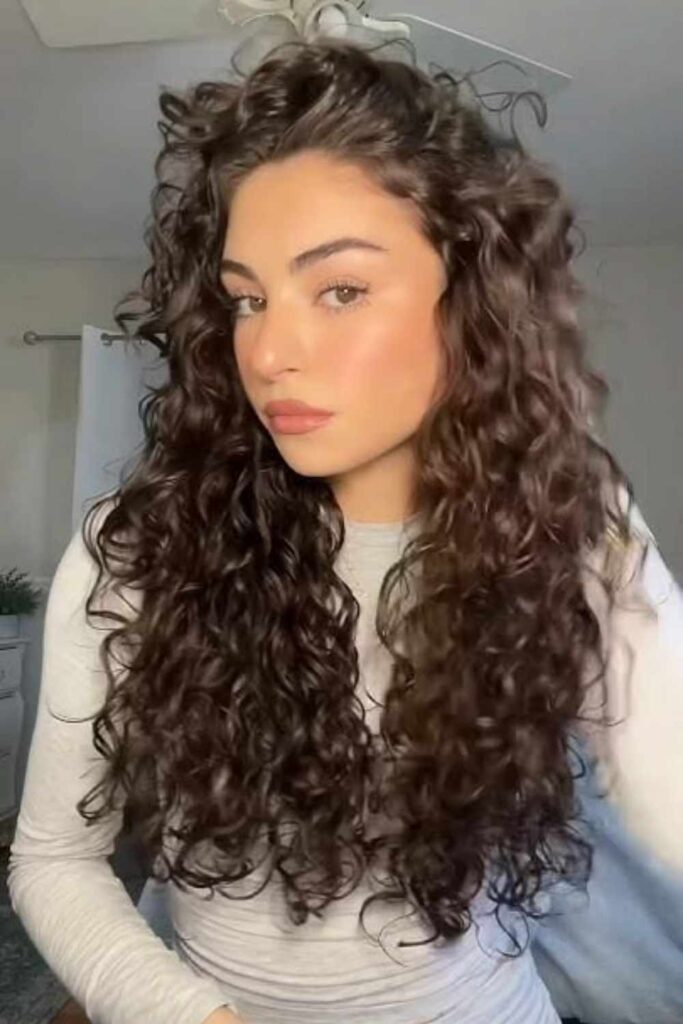
A solid wavy hair routine isn’t about spending two hours in the bathroom. It’s about doing the right things at the right time. Consistency matters more than complexity. Wavy hair responds incredibly well to a set routine your waves will actually get better over time as your hair learns what to expect. The key is understanding what your hair needs in the morning, at night, and on wash day.
Morning Wavy Hair Routine
Most wavy-haired people wake up with either flat, sad waves or a frizzy cloud neither is the vibe you’re going for. A good wave refresh routine in the morning takes about five minutes once you get the hang of it. The goal is to reactivate your waves without starting from scratch.
Start by lightly dampening your hair with a curl refresh spray or a spray bottle filled with water. Scrunch upward never smooth downward. Apply a small amount of mousse for wavy hair or a lightweight gel to damp sections. Then either diffuse on low heat or let it air dry hair naturally. Once it’s fully dry, do the scrunch out the crunch (SOTC) move scrunch your hands through your hair to break the stiff cast and reveal soft, defined natural waves. That’s it. Five minutes, beautiful waves.
Night Routine for Wavy Hair
How you sleep matters more than most people realize. Cotton pillowcases create friction that destroys wave definition overnight and causes serious frizz by morning. Switching to a satin pillowcase or wearing a satin bonnet is one of the easiest and cheapest upgrades for your overnight hair protection routine.
The pineapple method is the most popular overnight routine for wavy hair. You simply gather all your hair into a very loose, high ponytail on top of your head using a scrunchie never a tight elastic. This keeps your waves intact while you sleep. For longer or thicker hair, the multi-pineapple method (two or three sections instead of one) works even better. Wake up, take it down, do your morning refresh, and you’re set.
Weekly Wash Day Routine for Wavy Hair
Wash day deserves its own dedicated approach. This isn’t just a regular shower it’s the foundation of your entire wavy hair routine for the days ahead. Done right, wash day sets your waves up for success for the next two to three days at minimum.
Here’s a simple wash day routine that works for most type 2 hair types:
- Wet hair completely with lukewarm water never hot
- Apply sulfate free shampoo only to the scalp and massage gently
- Rinse thoroughly, then apply a lightweight conditioner from mid-shaft to ends
- Use the squish to condish technique cup water in your hands and scrunch it into your hair with the conditioner still in
- Rinse with cool water to seal the cuticle
- Apply styling products immediately to soaking wet hair
- Use hair plopping with a microfiber towel or cotton T-shirt for 20 minutes
- Diffuse or air dry hair completely before touching
How to Wash Wavy Hair Properly
How to care for wavy hair starts in the shower and most people are getting it wrong without even knowing it. The biggest mistake is applying shampoo to dry or barely wet hair, scrubbing aggressively, and rinsing with hot water. All three of those steps damage your wave definition and open the door for serious frizz.
Wet your hair completely before touching any product. Apply your sulfate free shampoo only to the scalp not the lengths, not the ends. The scalp is where oil and scalp buildup accumulate. Your ends don’t need shampoo; the rinse water alone is enough to clean them. Rinse with cool or lukewarm water, never hot. Then apply your lightweight conditioner generously from mid-shaft down. Leave it in for at least two minutes. Use the squish to condish method to really push moisture into your natural texture. Rinse with the coolest water you can handle it seals the hair cuticle and dramatically reduces frizz.
How Often Should You Wash Wavy Hair?
How often to wash wavy hair is one of the most common questions and the answer isn’t the same for everyone. Washing too often strips your hair of its natural oils and causes dry ends and frizz. Washing too rarely leads to scalp buildup, oily roots, and limp, lifeless waves. Finding the right frequency for your specific hair is key.
For most people with wavy hair, two to three times a week is the sweet spot. Fine wavy hair with an oily scalp might need washing every other day. Thick wavy hair can often go three to four days between washes. Between washes, your wave refresh routine keeps things looking fresh without the need for full shampoo. Co-washing using conditioner instead of shampoo is a great option for extending time between washes while maintaining hair hydration.
Read More About: Prom Hairstyles 2026: The Ultimate Guide to Looking Absolutely Stunning on Your Big Night
Best Shampoo and Conditioner for Wavy Hair
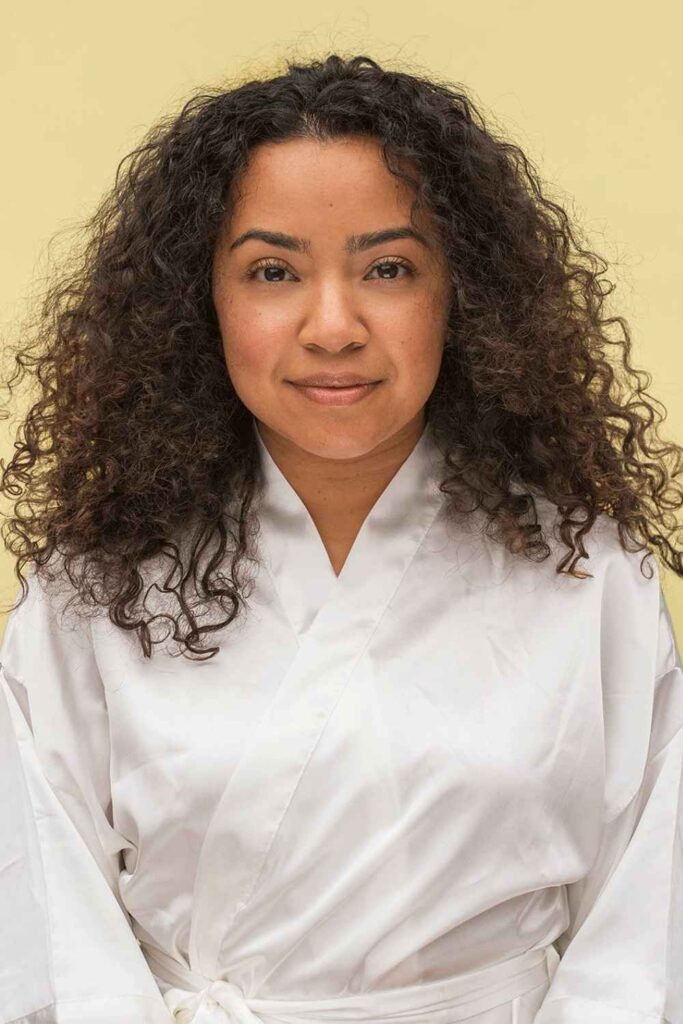
The best shampoo for wavy hair is always sulfate-free. Sulfates are harsh detergents that strip your hair of every bit of natural oil leaving it dry, frizzy, and desperate for moisture. They also break down curl pattern over time. Switch to a sulfate free shampoo and you’ll notice a difference within two washes. Once a month, use a clarifying shampoo to remove buildup from styling products this is the one exception where a stronger cleanser is helpful.
The best conditioner for wavy hair is lightweight and hydrating not thick or heavy like formulas made for soft curls or coily hair. Look for ingredients like glycerin, aloe vera, panthenol, and cetyl alcohol. Avoid silicones, which coat the hair shaft and prevent moisture from getting in. The table below makes ingredient shopping simple.
| Ingredient | Good or Avoid? |
| Sodium Lauryl Sulfate | ❌ Avoid |
| Glycerin | ✅ Good |
| Dimethicone (silicone) | ❌ Avoid |
| Aloe Vera | ✅ Good |
| Cetyl Alcohol | ✅ Good fatty alcohol |
| Isopropyl Alcohol | ❌ Avoid |
| Panthenol | ✅ Good |
Styling Wavy Hair: Best Techniques for Frizz-Free Waves
How to style wavy hair isn’t about what tools you use it’s about technique. The biggest shift most wavy-haired people need to make is applying products to soaking wet hair, not damp hair. Damp hair is already starting to dry and form frizz. Soaking wet hair gives your products the slip they need to distribute evenly and define your wave definition from root to tip.
How to Style Natural Wavy Hair Without Heat
Air drying wavy hair is the gold standard for healthy waves but it doesn’t mean just letting your hair dry however it wants. Technique still matters. After applying your products to soaking wet hair, use the scrunching hair method. Flip your hair upside down, cup your hands under sections of hair, and scrunch upward. This encourages your natural wave pattern to form. Then plop your hair in a microfiber towel for 15 to 20 minutes to absorb excess water without disturbing the waves.
If you want more volume and faster drying, how to diffuse wavy hair is a skill worth learning. Attach a diffuser to your blow dryer, set it to low heat and high airflow, and place sections of hair into the diffuser cup. Don’t move it around too much let it sit for 30 to 45 seconds per section. This is called pixie diffusing and it builds incredible volume at roots while keeping the waves intact.
Best Products for Wavy Hair
The best products for wavy hair are always lightweight, non-greasy, and designed to define without stiffness. You don’t need ten products. You need the right three to four, layered in the right order. The classic layering method for wavy hair is leave in conditioner → curl cream → mousse or gel. Each layer does a different job: the leave-in hydrates, the curl cream defines, and the gel or mousse holds.
Products that do not weigh down wavy hair are the only ones worth using. Heavy creams, thick butters, and dense oils all work against your wave pattern. A curl refresh spray rounds out your kit for between-wash days. Here’s a quick reference for what each product does.
| Product Type | Purpose | Best For |
| Leave-in conditioner | Hydration, detangling | All wavy hair types |
| Curl cream | Definition, softness | 2B and 2C hair |
| Mousse for wavy hair | Lightweight hold | 2A and 2B hair |
| Gel | Strong hold, cast | 2B and 2C hair |
| Curl refresh spray | Reviving second-day waves | All types |
| Anti-frizz serum | Frizz control, shine | High frizz types |
How to Enhance Naturally Wavy Hair
How to enhance natural waves is really about removing obstacles. Your waves want to form you just need to stop doing the things that prevent them. How to keep wavy hair defined comes down to three rules: apply products to soaking wet hair, don’t touch your hair while it dries, and always scrunch out the crunch once it’s completely dry.
How to make waves last longer starts with a strong hold product and proper drying. Flip your hair upside down while scrunching products in gravity helps pull your waves into their natural shape. Try finger coiling individual sections for more definition. Use the hair plopping technique before drying. And once your hair is fully dry, break the cast by scrunching with a small drop of oil in your palms. Your waves will be soft, defined, and bouncy not crunchy.
Common Wavy Hair Mistakes That Cause Frizz and Flat Waves
Why wavy hair gets frizzy usually comes down to a few fixable mistakes. The most common one is brushing dry hair. How to reduce frizz in wavy hair starts with never touching a brush to dry waves. Use a wide-tooth comb or your fingers only and only while your hair is wet and saturated with conditioner.
Brushing Mistakes to Avoid
Brushing dry wavy hair separates the wave pattern and turns it into frizz instantly. Always detangle in the shower with conditioner in your hair. Use a wide-tooth comb starting from the ends and working your way up. If you love the Denman brush, use it in the shower only never on dry waves.
Why Your Waves Lose Definition
There are several sneaky reasons your wave definition disappears before the day is over. Applying products to damp instead of soaking wet hair is the top culprit. Using too much product or the wrong type is another. Touching your hair while it dries is a guaranteed frizz trigger. Skipping gel means you have no cast to protect the wave as it dries, so it falls apart. And hard water can disrupt your curl pattern over time a shower filter can actually make a noticeable difference.
How to Refresh Wavy Hair Between Washes
How to revive wavy hair between washes is a skill that separates good wave days from great ones. Second-day and third-day wavy hair can honestly look better than wash day once you nail your refresh routine. The key is adding just enough moisture to reactivate the products already in your hair without making it look wet or heavy.
Best Refresh Sprays for Wavy Hair
A good curl refresh spray is your best friend between washes. You can buy one or make your own mix water with a small amount of your leave-in conditioner and a splash of aloe vera gel in a spray bottle. Shake it up and mist it over your hair section by section. Then scrunch upward. Never smooth downward that disrupts your wave definition and causes frizz.
How to refresh wavy hair correctly means working with what’s already there. You’re not re-styling from scratch you’re waking up the products that are already in your hair. Less is more here. Too much water will weigh your waves down.
Overnight Tips to Preserve Waves
The pineapple method is the most effective overnight hair protection strategy for wavy hair. Gather your hair into a very loose, high ponytail using a silk scrunchie. Sleep on a satin pillowcase or wear a satin bonnet to minimize friction. In the morning, take the ponytail down, mist with your curl refresh spray, scrunch, and go. The whole process takes under five minutes and saves you from starting your entire routine over.
The Best Wavy Hairstyles for Every Hair Length
Wavy hairstyles look effortlessly beautiful at every length you just need to know which styles suit your waves best. The texture does most of the work for you. Whether your hair is short, medium, or long, your natural waves add movement and dimension that styled straight hair simply can’t replicate.
Short Wavy Hairstyles
Short wavy hairstyles are bold, low-maintenance, and surprisingly versatile. A wavy pixie cut with textured layers lets your wave pattern shine without any extra effort. A short wavy bob that hits right at the jaw is one of the most universally flattering looks for type 2 hair. The key with short waves is keeping layers in the cut without them, short wavy hair can look flat or boxy.
Medium-Length Wavy Hairstyles
Medium-length wavy hairstyles are arguably the most popular because they hit the sweet spot where waves have enough length to form properly but aren’t heavy enough to pull the wave out. The wavy lob a long bob that sits at or just below the collarbone is the single most requested style for wavy hair. It works for every face shape and every wave type. Add a half-up half-down style with loose face-framing pieces and you have an effortless everyday look that takes two minutes to create.
Long Wavy Hairstyles
Long wavy hairstyles are what most people picture when they think of beach waves flowing, sun-kissed, effortlessly romantic. Long waves with curtain bangs are dominating right now for good reason. The bangs frame the face beautifully while the long waves add movement. Loose boho braids woven through long waves create a bohemian, festival-ready look with zero heat required. For long wavy hair, layers are essential without them, the weight of the length pulls the wave flat.
Wavy Hairstyles With Bangs
Curtain bangs are the undisputed champion of wavy hairstyles with bangs. They part in the middle, sweep to the sides, and blend seamlessly with natural waves. They’re also low-maintenance they grow out gracefully, unlike blunt fringe that needs constant trimming. Side-swept bangs are another great option for wavy hair, especially for softer, more polished looks. The key is making sure your stylist cuts bangs that work with your wave pattern, not against it.
Best Haircuts for Wavy Hair
The best haircut for wavy hair isn’t just about what looks pretty on a mood board. It’s about what works with your specific texture, density, and wave pattern. A bad cut can completely flatten your waves or make your head look like a triangle. The right cut makes your waves look intentional, bouncy, and effortlessly beautiful even on no-effort days.
Layered Wavy Haircuts
Layers are the single best thing you can do for wavy hair. They remove bulk, reduce the triangle shape, and give your waves room to move. Face-framing layers add softness around the face. Long layers wavy hair throughout the back and sides enhance your natural texture without taking away length. When you visit your stylist, ask for “long, soft layers” avoid blunt cuts at all costs.
Bob Haircuts for Wavy Hair
A wavy bob is a classic for a reason. It works beautifully with type 2 hair because the length is perfect for waves to form fully without losing their shape. A stacked bob adds volume and movement at the back. An inverted bob works especially well for 2B hair and 2C hair because it controls the volume while showcasing the wave pattern. If you’re not ready for a dramatic change, a wavy lob is the gentle entry point into short-ish wavy hairstyles.
Long Layers for Wavy Hair
Long layers are the most universally flattering haircut for wavy hair across all lengths. They reduce bulk without sacrificing length. The butterfly cut currently one of the most popular cuts for wavy hair features shorter layers framing the face and longer layers through the back. It creates incredible volume and movement, especially for 2B hair and 2C hair. Long layers also help elongate the face shape, making them flattering for almost every face type.
Wavy Haircuts for Women Over 40
Wavy haircuts for women over 40 are all about working smarter, not harder. Wavy hair at this stage of life is genuinely a gift the texture adds youthfulness and dimension that straight hair can’t replicate. A wavy shag haircut with lots of face-framing layers is one of the most flattering options. Shoulder-length waves with soft layers sit beautifully and are incredibly low-maintenance. Avoid cuts that add too much bulk on the sides the goal is lift at the top and movement throughout.
How to Make Straight or Curly Hair Look Wavy
Not everyone is born with natural waves and that’s completely fine. Getting beautiful wavy hair without heat is easier than most people think. The heatless methods below work surprisingly well and are far better for your hair elasticity and overall hair hydration than hot tools.
Heatless Ways to Get Wavy Hair
Braiding damp hair overnight is the easiest method. Small braids give tighter, more defined waves. Large, loose braids give soft, flowing beach waves. Flexi rods on damp hair create defined waves with beautiful bounce. Headband curls wrapping sections of hair around a headband and sleeping on it produce gorgeous soft curls and waves by morning.
| Method | Wave Size | Time Needed | Best For |
| Small braids | Tight waves | Overnight | Fine hair |
| Large braids | Loose, flowing waves | Overnight | All types |
| Flexi rods | Defined, bouncy waves | 2–4 hours | Medium/thick |
| Headband curls | Soft waves | Overnight | All hair types |
| Rope twists | Natural-looking waves | Overnight | All types |
Can Curly Hair Become Wavy?
Yes and it happens more often than you’d think. When curl pattern loosens over time, curly hair can start behaving more like wavy hair. This can happen because of hormonal changes, the weight of longer length, or protein moisture balance shifts in the hair. The curly girl method for wavy hair has actually helped many people with curly hair discover that their real pattern was always closer to wavy they just never knew it.
Seasonal Wavy Hair Care Tips
Your wavy hair routine can’t stay the same year-round. The weather changes your hair’s behavior dramatically. Humidity resistant haircare in the summer and deep moisture strategies in the winter are both essential for healthy waves all year long.
Summer Wavy Hair Tips
Summer is tough for wavy hair. Humidity causes hygral fatigue the hair swells with moisture from the air and loses its shape. Anti-frizz haircare products with humidity resistant hold are your best defense. Use a strong-hold gel to create a protective cast over your waves. Apply a UV protection spray before sun exposure UV rays break down hair elasticity and cause damaged wavy hair over time. After swimming in a pool or ocean, rinse immediately and deep condition to restore moisture balance.
Winter Care for Wavy Hair
Winter brings dry air, static, and beanies all enemies of wavy hair. Increase your deep conditioning sessions to once a week during cold months. Switch to a slightly richer leave in conditioner than you use in summer. A humidifier in your bedroom helps maintain hair hydration overnight. When you wear hats or beanies, line them with a silk or satin fabric to prevent friction and frizz. Your overnight hair protection routine becomes even more important in winter.
Frequently Asked Questions
Is Wavy Hair Rare?
No, wavy hair is actually very common worldwide many people just don’t realize they have it because heat styling hides their natural texture.
Why Is My Wavy Hair Frizzy?
Frizz happens when your hair lacks moisture and grabs humidity from the air using a sulfate-free shampoo and sealing your cuticle with cool water fixes it fast.
Can Wavy Hair Become Curly?
Yes, it can following the Curly Girl Method and ditching heat tools often reveals a curlier pattern hiding underneath your waves.
What Is the Best Cut for Wavy Hair?
Soft, long layers are the best cut for wavy hair they remove bulk, boost movement, and stop that dreaded triangle shape from forming.
Conclusion
Wavy hair is one of the most beautiful and versatile textures out there it just takes a little understanding to unlock its full potential. Start with knowing your type: 2A hair, 2B hair, or 2C hair. Build a consistent wavy hair routine with the right sulfate free shampoo, a lightweight conditioner, and products that do not weigh down wavy hair. Learn the basics scrunching hair, hair plopping, diffusing, and protecting your waves overnight with a satin bonnet or satin pillowcase.
You don’t need to overhaul your entire life to have great wavy hair. Start with one change maybe it’s switching your shampoo, maybe it’s trying the pineapple method tonight. Your natural waves have always been there. Now you finally have everything you need to let them shine.


